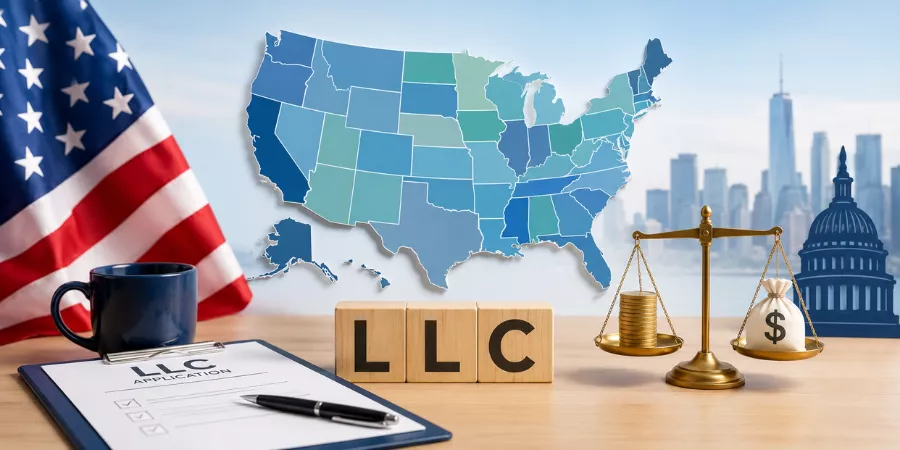
Starting a Limited Liability Company remains the most popular way to launch a small business in America. The process is simple. You choose a state, file Articles of Organization, pay a filing fee, and get a federal tax ID. Filing fees range from $35 to $500 depending on the state, and the average cost to form an LLC in the US in 2026 is around $132.
This guide breaks down what an LLC actually costs, which states are the cheapest, and the steps to register one correctly.
What Is an LLC and Why Choose One?
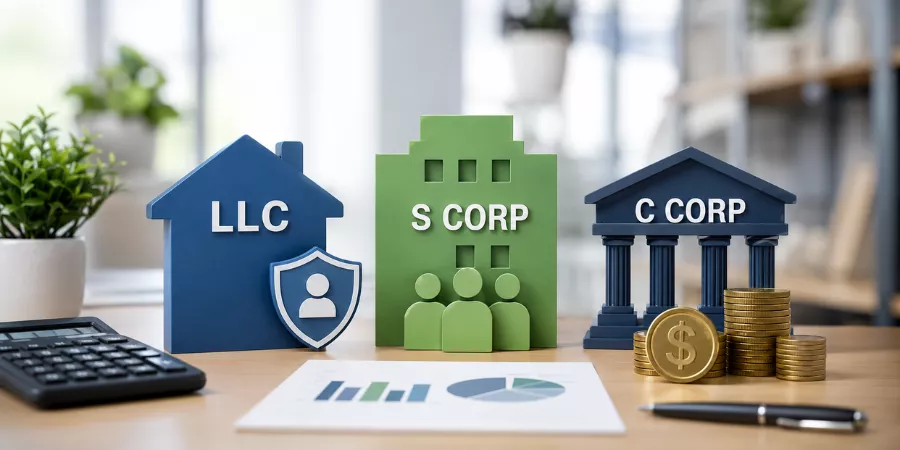
An LLC, or Limited Liability Company, is a business structure that protects your personal assets from business debts. If your company is sued or cannot pay its bills, your home, car, and savings stay protected in most cases.
LLCs also offer pass-through taxation. The business itself does not pay federal income tax. Profits flow directly to the owners, who report them on personal tax returns. This avoids the double taxation that corporations face. The US Small Business Administration recommends comparing structures carefully before registering.
For freelancers, consultants, e-commerce sellers, and small business owners, the LLC offers the best balance of protection, flexibility, and low cost.
How Much Does It Cost to Start an LLC in 2026?
There are two costs every founder must understand.
The filing fee. This is a one-time payment to the state when you form your LLC. Fees range from $35 in Montana to over $500 in Massachusetts.
The annual fee. Most states charge a recurring fee to keep your LLC active. The average LLC annual fee in the US is $91 in 2026, but it varies widely. New Mexico charges no annual renewal fee at all, while California requires a minimum $800 franchise tax every year.
Skipping the annual fee has serious consequences. Failure to file the annual report and pay the fee will result in the LLC being shut down in roughly 90% of US states.
Cheapest States to Form an LLC in 2026
If keeping costs low matters most, these states stand out:
Montana: $35 filing fee, the lowest in the nation.
Kentucky: $40 filing fee with a $15 annual report, bringing the first-year total to just $55.
Arizona, Mississippi, and Missouri: Each charges $50 to form, and none requires an annual report fee, which keeps ongoing state costs near zero.
New Mexico: Low formation cost and no annual renewal fee.
Most Expensive States for LLCs
California tops the list with its $800 minimum annual franchise tax, charged even if your business earns nothing. Massachusetts has the highest filing fee at around $500. Nevada looks business friendly on the surface, but the $75 filing fee comes with a $150 annual list fee and a $200 state business license, pushing yearly costs to $350.
Should You Form Your LLC in Another State?
This is the most common mistake new founders make. Forming in Wyoming or Delaware sounds smart because of low taxes. But if you live and operate elsewhere, you will likely need to register as a foreign LLC in your home state too. That means paying two sets of fees every year.
The simple rule: if you live in the US, form your LLC in the state where you live and operate. If you are a non-US resident, Wyoming and Delaware are the two most popular choices.
How to Start Your LLC: Step by Step
Step 1: Choose Your State
For most founders, this is your home state.
Step 2: Pick a Business Name
It must be unique in your state and include “LLC” or “Limited Liability Company.” Check availability on your Secretary of State website. The SBA explains the full process on its business registration guide.
Step 3: Appoint a Registered Agent
This is a person or service that receives legal documents for your business. A registered agent service typically costs $100 to $150 per year and protects your home address from public records.
Step 4: File Articles of Organization
Submit this document to your state and pay the filing fee. Most states allow online filing, and approval often takes a few business days.
Step 5: Get an EIN From the IRS
An Employer Identification Number is free and takes minutes to obtain on the official IRS website. You need it to open a business bank account and hire employees.
Step 6: Create an Operating Agreement
Not all states require one, but it defines ownership, profit splits, and decision-making rules. Banks and investors often ask for it.
Step 7: Open a Business Bank Account
Keeping business and personal money separate protects your liability shield.
Hidden Costs to Budget For
Beyond state fees, plan for a registered agent service, business licenses (which vary by city and industry), and possible publication requirements. New York, for example, requires new LLCs to publish formation notices in local newspapers, which can cost hundreds of dollars.
Getting Started the Right Way
An LLC is affordable, fast, and offers real legal protection. Budget around $150 to $500 for your first year in most states. File in your home state, never ignore your annual report, and verify current fees with your Secretary of State before filing, since states adjust them regularly. The protection an LLC provides is worth far more than the modest cost of setting one up properly.