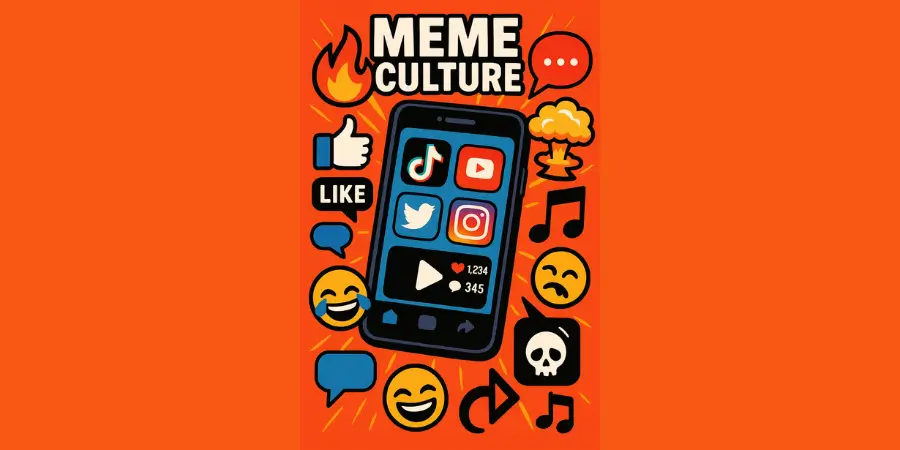
The internet has given birth to countless memes, but few have sparked as much conversation and debate as the seemingly simple question: “How long do idiots live?” This viral trend, which swept across social media platforms like TikTok, Instagram, and Twitter, represents more than just a fleeting joke it’s a fascinating glimpse into modern digital humor and our collective relationship with dark comedy.
Origins and Evolution of the Meme
The “How Long Do Idiots Live” meme traces its roots back to February 3, 2017, when it first appeared on Reddit as part of a four-panel joke format called “How Old Is X”. The original post showed Google search results for how old Knuckles from Sonic is, combined with data about echidna lifespans and the character’s birthday, creating a humorous implication about mortality. This template proved highly exploitable, with creators adapting it for various subjects, including the infamous “idiots” variant.
The meme gained significant traction in 2021 before experiencing a major resurgence in February 2022, coinciding with TikTok’s explosive growth. What started as a simple Google search prank evolved into a multi-faceted cultural phenomenon, spawning numerous variations with different age ranges like “12-15 years,” “10-13 years,” and “17-18 years”.
The Psychology Behind Dark Humor Memes
Research reveals that dark humor memes serve important psychological functions beyond simple entertainment. According to recent studies, dark humor acts as a coping mechanism for managing anxieties and provides a way to wrestle with difficult emotions while finding moments of control in chaotic situations. The relatability factor is crucial these memes tap into universal human experiences like job stress, relationship troubles, and existential dread, transforming heavy topics into something darkly humorous.
The appeal lies in what psychologists call “shared understanding.” When people encounter memes about life’s struggles presented through dark humor, they experience validation and solidarity. A meme depicting someone “pretending to be productive” on a Monday morning resonates because it captures a collective experience, making individual struggles feel less daunting through communal recognition.
Platform-Specific Spread and Cultural Impact
TikTok became the primary breeding ground for the “How Long Do Idiots Live” trend, where users created short videos using the phrase as a punchline. The platform’s algorithm favored this content because it was easily shareable, highly engaging, and perfectly suited for the app’s quick-consumption format. Users would typically pose the question, provide the humorous “12-15 years” answer, and then playfully target friends or specific behaviors.
Instagram and Twitter quickly adopted the trend, with Instagram users creating Stories and Reels featuring screenshot responses with relatable GIFs and stickers. Twitter users embraced the meme for quick sarcastic tweets, often incorporating it into ongoing conversations about absurd situations. The trend’s success stemmed from its short and shareable format, making it perfect for social media’s fast-paced environment.
The Darker Side of Internet Humor
Recent psychological research has uncovered concerning connections between dark humor consumption and certain personality traits. A 2024 study published in Behavioral Sciences found significant relationships between dark humor appreciation and what researchers call the “Dark Tetrad” psychopathy, narcissism, Machiavellianism, and sadism.
The study revealed that individuals who enjoy and create dark humor often score higher on these personality measures, particularly sadism and Machiavellianism. Most troubling, the research found strong correlations between dark humor and online trolling behaviors, with sadistic tendencies underlying both the ability to create dark content and engage in trolling activities.
This raises important questions about the psychological motivations behind seemingly harmless memes. While many participants in dark humor simply seek stress relief and community bonding, others may be expressing more problematic personality traits through their online behavior.
Cultural Reception and Controversy
The meme’s reception has been polarized. Supporters argue it represents lighthearted self-deprecation and shared empathy for silly human moments. The trend has inadvertently sparked a movement of self-acceptance, transforming “idiot” from an insult into a playful acknowledgment of universal human fallibility.
However, critics point out the inherent cruelty in the language and concept. The word “idiot” carries historical baggage and can perpetuate harmful stereotypes about intelligence and worth. Mental health advocates have expressed concerns about the meme’s potential to normalize mockery of cognitive differences or learning disabilities.
The Science of Meme Longevity
Internet culture researchers have noted an alarming decrease in meme lifespans over the past decade. Where memes like Lolcats and Rage Comics once lasted years (2007-2013), modern memes often peak and die within days or weeks. The “How Long Do Idiots Live” meme bucked this trend somewhat, maintaining relevance across multiple platform cycles and spawning countless variations.
This longevity can be attributed to several factors: the meme’s adaptability across different contexts, its psychological appeal as stress relief, and its ability to foster community bonding through shared dark humor. Unlike more specific memes tied to particular events or references, this format could be endlessly customized for different audiences and situations.
Conclusion: Humor, Humanity, and Digital Culture
The “How Long Do Idiots Live” meme phenomenon reveals complex truths about contemporary digital culture. On one hand, it demonstrates humanity’s enduring need for humor as a coping mechanism, particularly during challenging times. The meme’s popularity reflects our collective desire to find lightness in darkness and connection through shared struggles.
On the other hand, the research connecting dark humor to antisocial personality traits and online trolling behaviors suggests we should approach such content with greater awareness. While most people engage with these memes innocuously, the format can provide cover for more harmful psychological expressions.
As internet culture continues evolving, the “How Long Do Idiots Live” meme serves as a case study in how digital humor reflects both our best impulses seeking community, managing stress, finding joy and our more troubling ones. Understanding these dynamics helps us navigate the complex landscape of online communication while being more mindful of the psychological undercurrents that drive viral content.
The meme ultimately asks us to consider not just how long idiots live, but how we choose to live with each other in our increasingly connected digital world.