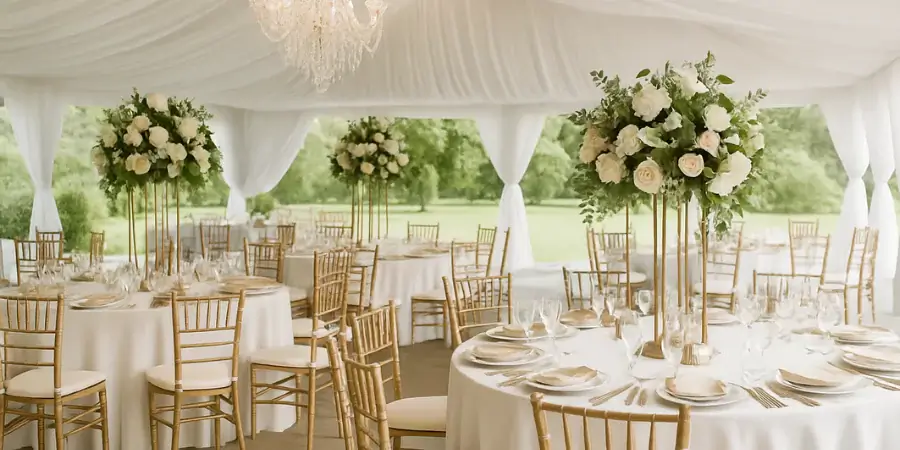
The difference between a wedding that runs flawlessly and one plagued by preventable hiccups often comes down to the relationship between couples and their venue team. After coordinating hundreds of events, venue managers consistently report that couples who approach their booking as a partnership rather than a transaction create the conditions for truly memorable celebrations. Understanding how to work effectively with your venue transforms what could be a transactional arrangement into a collaborative effort that elevates every aspect of your special day.
The Foundation: Mastering Venue Logistics Before You Begin
Every venue operates within specific parameters shaped by insurance requirements, local regulations, historical preservation rules, or property limitations. Wedding venues develop their policies not to restrict creativity but to protect both their business and your event from foreseeable problems. The couples who excel at venue relationships recognize that these guidelines exist for substantive reasons, and they invest time upfront understanding the “why” behind each policy rather than viewing rules as arbitrary obstacles.
When reviewing your venue contract, look beyond the basic restrictions to understand operational realities. If your venue prohibits open flames, it’s likely due to insurance mandates or prior incidents that threatened guest safety. When noise ordinances require music to end by 10 PM, neighboring properties or municipal regulations drive that timeline. Approaching these conversations with genuine curiosity about the reasoning behind policies demonstrates respect for the venue’s experience and opens doors for creative problem-solving when your vision seems to conflict with established rules.
The most successful couples schedule a detailed walk-through focused specifically on logistics rather than aesthetics. During this visit, ask about loading dock access for vendors, backup power sources if you’re planning elaborate lighting, HVAC capabilities if your date falls during extreme weather, and the venue’s experience with any unique elements you’re planning. Venue managers appreciate couples who think through operational details because it signals you understand the complexity of event execution beyond the visual elements that dominate wedding planning content online.
Communication Architecture That Builds Trust
The timing and quality of your communication with venue staff establishes the foundation for your entire relationship. Venue managers consistently report that couples who front-load their questions and establish clear communication protocols create far smoother planning processes than those who disappear for months and resurface with urgent requests weeks before the wedding. This pattern doesn’t mean you need weekly check-ins, but rather strategic touchpoints aligned with key planning milestones.
Establish a single point of contact on your side whether that’s you, your partner, or a designated wedding planner to prevent the venue from receiving conflicting information from multiple sources. When you do reach out, come prepared with specific questions rather than vague concerns. Instead of asking “What do we need to think about for setup?” provide your proposed timeline and ask “Given our 3 PM ceremony start, does arriving at 10 AM for vendor load-in provide adequate buffer time, or should we request earlier access?” This specificity helps venue coordinators provide actionable guidance rather than general information you could find on any blog post.
Documentation becomes your ally throughout this process. After phone conversations, send brief email summaries confirming key points and decisions. Create a shared folder where both you and the venue can access evolving floor plans, vendor contact information, and timeline updates. This organizational infrastructure proves particularly valuable when unexpected changes arise and they inevitably do. Couples who maintain clear documentation can quickly reference prior discussions and make informed adjustments without requiring venue staff to reconstruct previous conversations from memory.
Creating Genuine Partnership Through Mutual Respect
The relationship between couples and venue staff thrives on recognizing that everyone shares the same ultimate goal: executing a flawless celebration. Venue teams have seen countless weddings succeed and occasionally falter, giving them institutional knowledge about what actually works versus what sounds appealing in theory. Couples who tap into this expertise by asking “What do you typically see work best for situations like ours?” benefit from insights that no amount of online research can provide.
Respect manifests in both obvious and subtle ways throughout your planning process. The obvious elements include punctuality for meetings, responding to emails within reasonable timeframes, and treating every venue staff member from the sales coordinator to the setup crew with equal courtesy and appreciation. The subtler aspects involve understanding venue operations and adjusting your expectations accordingly. If your venue books multiple events weekly, recognize that your coordinator manages numerous clients simultaneously. Framing requests with awareness of their workload (“I know you’re managing several events this month, so I wanted to get this question in early”) demonstrates emotional intelligence that venue professionals deeply appreciate.
Physical respect for the venue space extends beyond basic “don’t break anything” courtesy. This means discussing placement options before your florist hammers hooks into walls, confirming that your décor installation won’t damage historic features or recently renovated surfaces, and ensuring your guest count accurately reflects reality so the venue can properly staff and set the space. When couples treat the venue as carefully as they would their own home, venue teams reciprocate with flexibility and extra effort when unexpected situations arise.
Leveraging Preferred Vendor Relationships Strategically
Most venues maintain lists of preferred or required vendors, and couples sometimes view these recommendations skeptically as potential kickback arrangements. In reality, these relationships typically develop because specific vendors consistently demonstrate knowledge of the venue’s unique characteristics, work efficiently within its parameters, and maintain professional standards that protect both the venue and clients. A preferred caterer at a historic estate understands exactly which kitchen equipment is available, how to navigate narrow service hallways, and when prep work needs to begin given the facility’s limitations.
You’re not obligated to use every recommended vendor, but strategically incorporating several from the preferred list creates cascading benefits. These vendors already have established relationships with venue staff, meaning coordination happens more smoothly and problems get resolved faster. They understand site-specific logistics like optimal locations for cocktail bars given traffic flow patterns, which ceremony setup works best for the venue’s acoustics, or where photo opportunities exist that most couples overlook. This institutional knowledge saves time, reduces stress, and often produces superior results compared to bringing in outside vendors who must learn the space on your wedding day.
When you do opt to bring in outside vendors not on the preferred list, facilitate introductions between these professionals and your venue coordinator well in advance. Arrange for your photographer to visit the site during golden hour if lighting matters for their shot list. Have your DJ walk the space to assess audio requirements and identify optimal equipment placement. These advance coordination meetings demonstrate professionalism and help your venue team feel confident that your outside vendors will work seamlessly within their environment.
The Organizational Systems That Prevent Chaos
Wedding day timelines fail most often not due to major disasters but because of accumulated small delays and miscommunications. Couples who develop comprehensive organizational systems and share them transparently with their venue team create the conditions for efficient execution. This means creating detailed timelines that account for realistic setup requirements, building in buffer time for inevitable delays, and clearly communicating these plans to everyone involved rather than assuming coordination will happen organically.
Your timeline should reflect genuine operational realities rather than Pinterest-perfect ideals. If your ceremony requires 75 chairs to be rearranged into dining tables after your first look, budget actual time for this transition rather than the theoretical minimum. When vendors need to access different areas simultaneously, map out traffic patterns that prevent bottlenecks. Couples who think through these logistical details and discuss them with venue staff during planning uncover potential problems while solutions remain simple rather than discovering issues on the wedding day when options narrow dramatically.
Create contingency plans for predictable variables and share these with your venue team. If you’re planning an outdoor ceremony, develop a weather call timeline and backup arrangement that satisfies your vision. If a key vendor cancels at the last minute, know whether the venue can recommend alternatives from their network. These conversations require thinking through scenarios you hope won’t materialize, but having plans in place allows everyone to respond quickly and confidently if circumstances change unexpectedly.
Cultivating Lasting Positive Impressions
The couples that venue teams remember fondly share common characteristics beyond simply following rules and paying bills on time. They express genuine appreciation for the work that happens behind the scenes, acknowledge the effort required to execute their vision, and recognize that dozens of people contribute to creating their perfect day. Small gestures carry disproportionate weight thank you notes to staff who went above and beyond, vendor meals that include venue coordinators, or post-wedding emails sharing professional photos that showcase the space beautifully.
When challenges inevitably arise during planning or on the wedding day itself, your response to these situations cements your venue relationship for better or worse. Couples who approach problems collaboratively, remain flexible when perfect plans require adjustment, and maintain perspective about what truly matters create goodwill that extends far beyond their single event. Venue managers remember these partnerships and often go to extraordinary lengths to solve problems for couples who’ve demonstrated grace under pressure throughout the planning process.
The relationship you build with your venue team represents an investment that pays dividends throughout your planning journey and on your wedding day. By approaching this partnership with professionalism, respect, clear communication, and genuine appreciation, you create the conditions for a celebration that exceeds expectations while establishing yourself as the kind of client that venues love working with.
ALSO READ: The Ultimate Guide to Indian Wedding Venues in 2025