

Every year, millions of people decide to start learning tech. They search for simple guides on AI, coding basics, or how a specific software works. Users of the internet face two extreme options which include academic websites that present content like textbook material and basic websites that offer no valuable information. Techexample.org functions as a website which exists between these two extreme points.
The platform has been gaining search visibility in 2025 and 2026, especially among beginners who stumble across it while looking for simple tech explanations. People now ask more frequently if Techexample.org exists as a legitimate website and whether users should trust it and whether it provides actual value to their time investment.
Is Techexample.org actually useful, or just another low-effort content site?
Straight answer: It is a good Web site to browse safely; however, it falls short in-depth coverage, transparency, and editorial standards required to be trusted until the end.
This review walks you through what Techexample.org is, what it does, what its main selling points are, where it might be falling short, and who it is really for.

My Experience Using Techexample.org
I spent two days browsing Techexample.org across categories like AI, gadgets, and tech trends. In that time, I went through roughly 20–25 articles.
A pattern became clear quickly.
Most articles:
● stayed between 400-700 words
● followed a similar structure (intro → bullet-style sections → summary)
● explained concepts in simple language
● avoided technical depth or real-world application
The site loads fast, works smoothly on mobile, and doesn’t interrupt reading with aggressive ads. That part is well done.
The issue shows up when you look closer. There are no author names, no sources, and no indication of who is behind the content. After a while, the articles start to feel interchangeable.
What is Techexample.org and Who is it For?
Techexample.org is a beginner tech learning platform that simplifies topics most people find intimidating, AI tools, cloud concepts, coding basics, gadget comparisons. The writing stays simple on purpose.
In practice, it works like a general-purpose tech blog.
If someone hears the term “API” in a meeting and wants a quick, plain-English explanation, this site does that well. If they want to understand how APIs work in real systems, they’ll need to look elsewhere.
What Techexample.org covers:
- Future Tech:
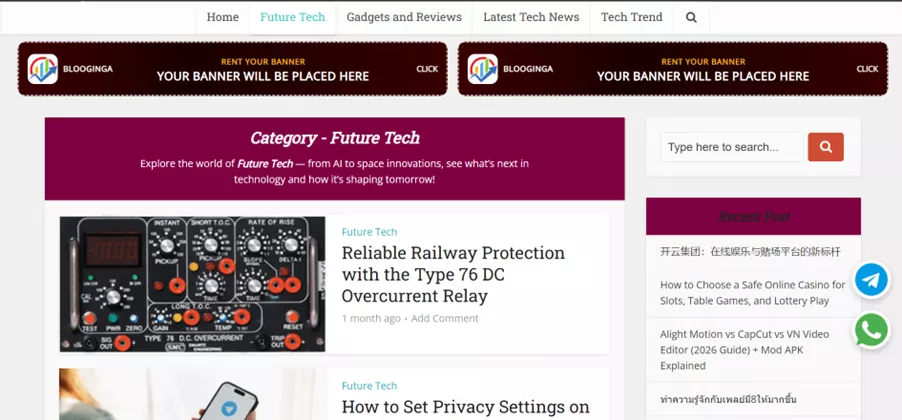
- Gadget Reviews and Comparisons:

- Tech Trends:

- Tech News
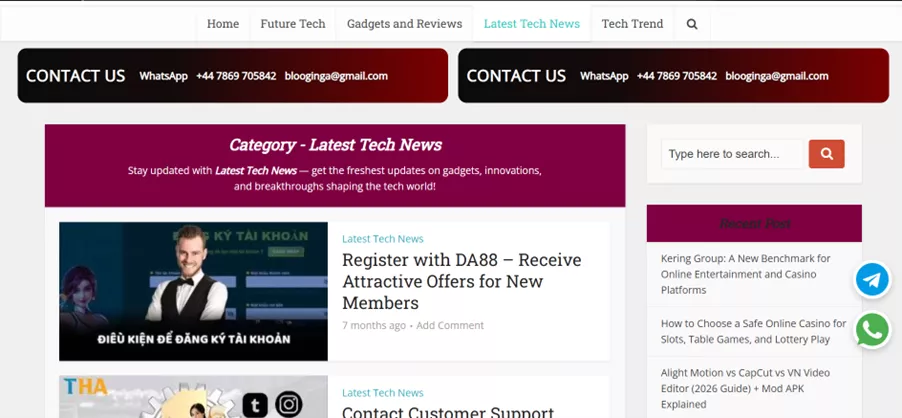
The site is free to access, requires no account, and loads without intrusive popups. Those are real positives, especially for a beginner tech learning platform.
Key Features of Techexample.org
- Beginner-friendly writing: Articles are short, plainly worded, and structured so that someone with zero background can follow along. This is consistent across most of the content and is genuinely the site’s strongest quality.
- Wide topic coverage: One place for AI learning, coding tutorials, gadget reviews, and tech news. The breadth is useful for casual readers who want to browse without bouncing between websites.
- Free access, no signup: No email required, no subscription, no course fees. You land, you read, you leave.
- Skimmable format: The content uses short paragraphs together with bullet points and bold subheadings. The design enables users to scan content easily through mobile devices because most people read this type of material on their phones.
- No community features: It does not allow any comments, no forum, no tracking. Simple reading experience.
Example: How the Content Actually Holds Up
To understand the quality, I looked closely at a basic concept article.
One piece explaining “What is an API” defined the term clearly in simple language. It explained what APIs do and where they are used.
What it didn’t include:
- A real-world example
- A simple code snippet
- A reference to official documentation
- Any source attribution
The same pattern appears throughout the entire website.
You receive clear information but the content lacks detailed understanding. The material provides sufficient information to understand a term but it does not enable you to use it practically.
Is Techexample.org Safe to Use in 2026?
From a technical standpoint, yes.
- SSL encryption is active
- no malware or forced downloads
- no suspicious redirects
- no payment traps
There is no sign of harmful behavior.
The concern is not safety. It’s credibility.
There is:
- no visible privacy policy
- no clear ownership
- no editorial team
- no author attribution
That lack of transparency matters, especially for a site presenting educational content.
Safety verdict: Safe to browse. Not reliable to depend on.
Is Techexample.org Legit or Just Another Content Farm?
Fair question. The honest answer sits somewhere in the middle.
Techexample.org publishes content across tech guides, cloud topics, gaming, and even casino-related posts, a mix that suggests content aggregation rather than editorial specialization. The distribution of content across multiple areas creates a warning sign which should alert people who expect the publication to deliver specific and trustworthy technological information.
At the same time, it is not a scam. There are no malware patterns, no phishing behavior, and no fraudulent activity reported. The platform functions as a normal blog. The legitimacy problem is about editorial quality and transparency, not intent.
Independent reviewers generally place Techexample.org around a 6 out of 10 on legitimacy, safe but not authoritative. That feels accurate. It is a real website publishing real content, just without the standards that would make it genuinely trustworthy for anything consequential.
Pros and Cons of Techexample.org
Pros
- It is genuinely easy to read, the simplicity is real, not just claimed
- It’s a good starting point before going deeper on a topic
- It’s completely free, no friction to access
- It has clean design, no aggressive ads or popups
- It covers a wide range of beginner tech topics in one place
Cons
- It is a very surface-level, articles rarely go past the basics
- It has casino and gambling content mixed in with tech guides, raising questions about content standards.
- The writing pattern suggests heavy AI assistance with limited human review
- There are no citations, no sources, no verification
Who Should Use Techexample.org?
Good fit:
- Students getting their first exposure to tech concepts
- Casual readers who want a plain-language explanation of something they heard
- Anyone using it as a starting point before going to a more authoritative source
Not a good fit:
- Developers or engineers who need technical accuracy
- Anyone researching cybersecurity, AI implementation, or cloud infrastructure
- Students preparing for exams or certifications
- Anyone who needs to trust what they are reading
Techexample.org shows what something is, not how to do it professionally. That one-sentence summary captures it well.
How Techexample.org Actually Works in Practice
- Learning AI basics: Someone who wants to understand what a large language model is, or why AI-generated content has become common, will find usable explanations here. They are accurate at the conceptual level, even if they stop well short of technical depth.
- Understanding software tools: The structure of articles about productivity applications and video editing software and mobile applications follows the same pattern which describes the product and its intended users and its fundamental capabilities. The data functions as a tool for orientation purposes but it fails to help users make an educated buying choice.
- Quick concept lookup: This is probably the most practical use case. You see a term you do not recognize, API, CI/CD, LLM, and want a plain-English explanation in two minutes. Techexample.org is genuinely good at this. Just verify anything important afterward.
Best Alternatives to Techexample.org (If You Want Depth)
- For structured learning: freeCodeCamp covers coding from scratch with real curriculum, community support, and no cost. Far more depth than Techexample.org for anyone serious about learning to code.
- For reliable beginner-friendly tech guides: HowToGeek and MakeUseOf both write for non-technical readers but with named authors, editorial standards, and a long track record. More trustworthy on all fronts.
- For AI and digital learning: Google’s free AI courses and IBM’s SkillsBuild platform offer verified content on AI and cloud topics, also free, significantly more credible.
- For serious learning: Coursera, edX, and LinkedIn Learning are paid (or partially free) platforms with certificates and structured paths. A different category entirely, but worth knowing about if casual reading has shifted into genuine interest.
The honest comparison is this: Techexample.org is useful the way a Wikipedia summary is useful, a starting point, not a final answer.
Author’s Opinion
I spent two days browsing Techexample.org across categories like AI, gadgets, and tech trends. I read around 20 articles during that time. Most pieces followed a similar structure: a short introduction, 4-6 bullet-style sections, and a brief summary.
The average article length was around 400-700 words. While the explanations were easy to follow, most articles stopped at definitions and did not include real-world examples or sources.
For example: One article explaining Tech Trends was vague and did not cite any data or reports. This is where the platform starts to feel more like a summary feed than a verified news source.

How This Review Was Done
This review is based on:
- 2 days of active browsing
- 20+ articles reviewed
- Comparison with beginner platforms like freeCodeCamp and MDN Web Docs
- Evaluation of transparency factors such as authorship, sourcing, and editorial policies.
Conclusion:
Techexample.org works, but only within limits.
It’s useful when you need a quick explanation without effort. It’s clean, accessible, and easy to read. That’s why it’s gaining visibility.
But the tradeoff is clear.
No transparency. No sourcing. No depth.
Use it the way you would use a quick summary. Read it, understand the idea, then move on to something more reliable if the topic matters.
Overall: Safe to browse. Useful for beginners. Not dependable beyond surface-level understanding.
Frequently Asked Questions About Techexample.org
Is Techexample.org safe to use in 2026? Yes. The site has SSL encryption, no malware, and no suspicious behavior. The concern is not technical safety but content credibility, no sources cited, and no editorial policy visible. Safe to read, but cross-check anything important.
Can beginners trust Techexample.org? For a basic first look at a topic, yes. For anything requiring accuracy, cybersecurity, AI implementation, technical decisions, no. Treat it as an introduction, then confirm with a more established source like freeCodeCamp, HowToGeek, or official documentation.
How does Techexample.org work? It is a free, open-access tech blog. No account required. Browse by category or use search. Articles follow a simple structure: short intro, a few key points, brief summary. No courses, no progress tracking, no community features.
Who should use Techexample.org? Students new to tech, casual readers wanting plain-language explanations, and anyone using it as a starting point. Not suited for professionals, advanced learners, or anyone needing verified technical information.
What are the best alternatives to Techexample.org? freeCodeCamp for coding, HowToGeek and MakeUseOf for accessible tech guides, Google’s AI courses for AI basics, and Coursera or edX for structured learning with credentials.
Is Techexample.org good for learning coding? Not really. It covers coding at a conceptual level but offers no exercises, no projects, and no progression. For actual coding education, freeCodeCamp, The Odin Project, or MDN Web Docs are far better options and still completely free.