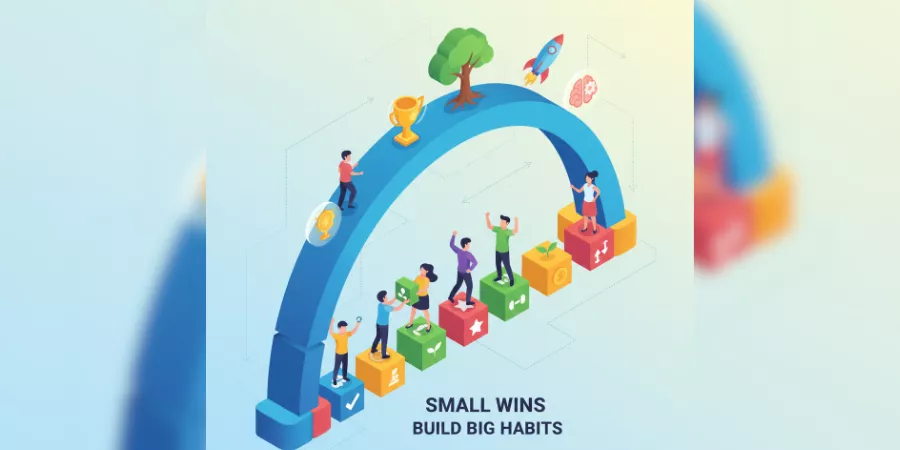
Big habits rarely appear overnight. They are usually built quietly, through small actions that feel almost insignificant in the moment. These small wins matter more than people realize because they create momentum. When something feels achievable, it gets done. When it gets done consistently, it starts to shape behavior. Over time, those behaviors turn into habits that stick.
Small wins are powerful because they lower the barrier to action. Instead of asking for massive effort or perfect execution, they invite participation. They meet people where they are, not where they think they should be. That accessibility is what allows habits to grow without constant force or pressure.
This approach becomes especially important during stressful periods, when energy and focus are limited. Financial stress, for example, can drain motivation and make long term planning feel impossible. Taking structured steps to reduce that pressure, such as exploring options like debt settlement, can free up mental space so small wins feel manageable again instead of overwhelming.
Why Small Wins Feel So Rewarding
Small wins trigger the brain’s reward system. Each completed action releases a bit of dopamine, the chemical associated with motivation and satisfaction. This reward reinforces the behavior, making it more likely to happen again.
Unlike large goals that delay reward, small wins provide immediate feedback. You do something, and you feel the benefit right away. That feedback loop builds confidence and encourages repetition. Over time, the brain begins to associate the behavior with positive feelings rather than effort.
Motivation grows through success, not pressure.
Momentum Is Built, Not Forced
Momentum is often misunderstood as something you either have or do not have. In reality, momentum is built through movement. Small wins create that movement. Once momentum exists, effort feels lighter and progress feels smoother.
Large goals without small wins feel heavy. They require constant willpower to sustain. Small wins reduce the need for willpower by creating a sense of progress that carries you forward.
Movement creates motivation.
Small Wins Reduce Fear of Failure
Big goals often come with high expectations. When the stakes feel high, fear of failure increases. This fear leads to avoidance or procrastination. Small wins reduce risk by keeping stakes low.
When the goal is small, failure feels less threatening. This makes it easier to start and easier to try again if something does not go perfectly. Over time, this builds resilience and confidence.
Low risk encourages action.
Habits Form Through Repetition, Not Intensity
Habits are formed through repetition. Intensity can help you start, but it does not help you sustain. Small wins are easier to repeat because they fit into daily life without requiring dramatic changes.
When an action becomes part of a routine, it no longer feels like a decision. It becomes automatic. This is how habits stick. They stop relying on motivation and start relying on structure.
Consistency beats enthusiasm.
Identity Shifts Follow Small Actions
Every small win sends a signal about who you are. When you consistently follow through on small actions, self perception changes. You start to see yourself as someone who shows up, keeps commitments, and makes progress. This identity shift matters because behavior tends to follow identity. When you believe you are capable and consistent, you act accordingly. Small wins provide the evidence that supports this belief. You become what you practice.
Why Starting Small Feels Uncomfortable
Many people resist small wins because they feel too easy or insignificant. There is a belief that real change requires big effort. This belief often leads to burnout or abandonment.
Starting small requires humility and patience. It asks you to trust the process rather than chase immediate transformation. While this can feel unsatisfying at first, it is far more effective over time. Small does not mean unimportant.
Small Wins Build Emotional Regulation
Small wins also strengthen emotional regulation. Completing manageable tasks reduces overwhelm and creates a sense of control. This emotional stability makes it easier to handle setbacks and stress. When emotions are regulated, decision making improves. You are less reactive and more intentional. This supports long term habit formation. Calm supports consistency.
The Role of Environment in Supporting Small Wins
Environment plays a major role in habit formation. Small wins are easier to achieve when surroundings support them. Simple adjustments like reducing distractions or preparing in advance increase success. The American Psychological Association explains that behavior is heavily influenced by cues and environment rather than motivation alone. Their research on habit formation and behavior change is available at. Designing your environment for small wins reduces friction.
Tracking Progress Reinforces Habits
Tracking small wins reinforces behavior by making progress visible. Seeing evidence of consistency strengthens motivation and confidence. It turns abstract effort into concrete proof. Tracking does not need to be complicated. Simple checklists, notes, or reminders are enough. The goal is awareness, not perfection. Visibility reinforces commitment.
Small Wins Help You Recover Faster From Setbacks
Setbacks are inevitable. When habits are built on small wins, recovery is easier. Missing one day does not feel catastrophic because the habit is not all or nothing. This flexibility prevents discouragement. You return to the behavior more quickly instead of abandoning it entirely. Resilience grows through flexibility.
Health Improvements Begin With Small Steps
Health habits are especially well suited to small wins. Short walks, small hydration goals, or brief stretching routines are easier to maintain than drastic changes. Health organizations like the Mayo Clinic emphasize that small, consistent lifestyle changes lead to better long-term health outcomes. Health improves through steady effort.
Small Wins Build Financial Confidence
Financial habits also benefit from small wins. Reviewing accounts briefly, saving small amounts, or setting simple limits builds familiarity and confidence. These actions reduce avoidance and anxiety. Over time, confidence replaces fear, and financial decisions become more intentional. Confidence grows through practice.
Celebrate Completion, Not Perfection
Small wins deserve recognition. Celebrating completion reinforces behavior. It reminds you that progress matters even when it is incremental. Celebration does not have to be dramatic. Acknowledgment is enough. The goal is to associate effort with positive reinforcement. Recognition strengthens habit loops.
Big Habits Are Built One Win at a Time
Small wins may feel unimpressive, but they are powerful. They build momentum, confidence, and identity. Over time, they create habits that shape daily life. When you focus on what you can do today rather than what you think you should do eventually, progress becomes sustainable. Small wins build big habits not through force, but through consistency. Lasting change grows from small actions repeated often.