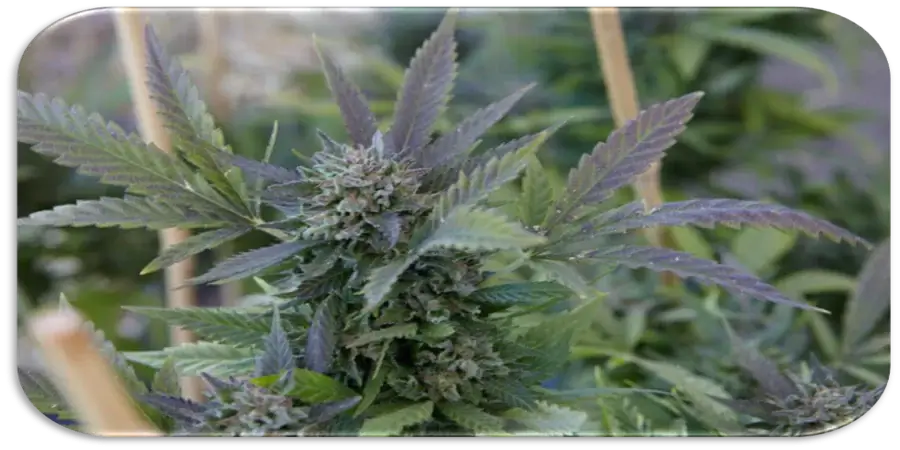
Industrial hemp cultivation has experienced renewed interest following regulatory changes enabling legal production in numerous jurisdictions, with proponents emphasizing the crop’s versatility, environmental benefits, and economic potential across applications ranging from textiles and construction materials to food products and wellness supplements. Cannabis sativa L. varieties classified as industrial hemp distinguished by low tetrahydrocannabinol (THC) concentrations below regulatory thresholds present fundamentally different agricultural, economic, and regulatory profiles than high-THC cannabis varieties cultivated for psychoactive properties. Understanding industrial hemp’s role in contemporary agriculture requires examining its agronomic characteristics and cultivation requirements, evaluating sustainability claims against scientific evidence and comparative crop analysis, assessing economic viability for producers across different production systems and end markets, analyzing industrial applications’ technical feasibility and market development, and navigating complex regulatory frameworks governing cultivation, processing, and product marketing that vary substantially across jurisdictions. This comprehensive analysis explores industrial hemp through evidence-based agricultural, economic, environmental, and regulatory lenses, distinguishing substantiated benefits from promotional claims while providing frameworks for evaluating hemp’s appropriate role within diversified agricultural systems and industrial supply chains.
Botanical Classification and Legal Distinctions
Industrial hemp and marijuana represent the same plant species with distinctions based on THC content and intended use rather than botanical taxonomy.
Cannabis sativa L.: Taxonomic and Chemical Characteristics
All cannabis plants belong to the species Cannabis sativa L., with debates continuing about whether indica and ruderalis represent distinct species or subspecies:
Chemical Composition:
Cannabis plants produce over 100 cannabinoid compounds, with primary compounds including:
Tetrahydrocannabinol (THC): Psychoactive compound producing intoxication effects, controlled substance under federal law in most jurisdictions.
Cannabidiol (CBD): Non-intoxicating cannabinoid marketed for various wellness applications, subject to evolving regulatory frameworks.
Cannabigerol (CBG), Cannabinol (CBN), others: Various cannabinoids with distinct chemical properties and claimed effects requiring further research.
Terpenes: Aromatic compounds contributing to plant characteristics and potentially modulating effects through “entourage effect” (scientific evidence limited).
Genetic Variation:
Cannabis exhibits substantial genetic diversity through natural variation and selective breeding:
- Some varieties bred for high THC content (marijuana, typically 15-30% THC)
- Other varieties bred for fiber, seed, or low-THC cannabinoid production (industrial hemp, <0.3% THC)
- Breeding programs developing varieties optimized for specific applications or growing conditions
Legal Definitions and Regulatory Frameworks
Hemp’s legal status depends on THC concentration rather than botanical characteristics:
United States Federal Framework:
The 2018 Farm Bill (Agriculture Improvement Act) removed hemp from Controlled Substances Act scheduling:
Hemp Definition: Cannabis sativa L. and derivatives with delta-9 THC concentration not exceeding 0.3% on dry weight basis.
Cultivation Authorization: States may submit plans to USDA for hemp production regulatory oversight, or USDA administers programs in states without approved plans.
Interstate Commerce: Legal hemp and hemp-derived products may be transported across state lines.
FDA Jurisdiction: Food and Drug Administration retains regulatory authority over hemp-derived products in food, dietary supplements, and products marketed with health claims.
Regulatory Complexity:
Despite federal legalization, complex regulatory landscape remains:
- State-level regulations varying in licensing requirements, testing protocols, and permitted activities
- FDA regulations prohibiting CBD in conventional foods and dietary supplements (enforcement limited)
- International variations in THC thresholds (EU uses 0.2% in some jurisdictions, Canada permits 0.3%)
- Ongoing regulatory evolution as agencies develop oversight frameworks
Agronomic Characteristics and Cultivation Requirements
Hemp cultivation requires understanding agronomic practices, environmental requirements, and production systems appropriate for intended end uses.
Growing Conditions and Environmental Requirements
Hemp adapts to various climates but performs optimally under specific conditions:
Climate Suitability:
- Temperature: Grows in temperate to subtropical climates; frost-sensitive
- Growing season: Requires 90-120 days depending on variety and intended use
- Photoperiod sensitivity: Many varieties are photoperiod-sensitive, flowering when day length decreases
- Rainfall: 25-30 inches annually ideal; tolerates moderate drought better than many crops
Soil Requirements:
- pH: Prefers neutral to slightly alkaline soils (pH 6.0-7.5)
- Fertility: Moderate to high nutrient requirements, particularly nitrogen
- Drainage: Requires well-drained soils; intolerant of waterlogging
- Soil structure: Deep, loamy soils optimal for root development
Critical Limitation Photoperiod Sensitivity:
Traditional hemp varieties flower in response to decreasing day length:
- Northern latitudes with short growing seasons may not provide sufficient growing period before flowering
- Early flowering reduces biomass production and fiber quality
- Breeding programs developing autoflowering varieties addressing this limitation
Production Systems by End Use
Different hemp applications require distinct cultivation approaches:
| End Use | Planting Density | Harvest Timing | Primary Organ | Key Characteristics |
|---|---|---|---|---|
| Fiber | 200-300 plants/m² | Before flowering | Stem | Dense planting for tall, straight stalks |
| Grain/Seed | 30-50 plants/m² | Full seed maturity | Seed | Lower density allowing branching |
| CBD/Cannabinoids | 1,000-2,500 plants/acre | Peak cannabinoid content | Flowers | Female plants, prevent pollination |
| Dual-Purpose | 50-100 plants/m² | Seed maturity | Seed + fiber | Compromise between applications |
Fiber Production:
Dense planting minimizes branching, encouraging tall, straight growth:
- Mechanical harvesting adapted from similar crops
- Processing infrastructure requirements substantial
- Economics dependent on processing facility proximity
- Limited U.S. processing infrastructure currently
Grain Production:
Lower density allowing plant branching and seed production:
- Combines adapted for harvest
- Seed cleaning and processing required
- Food-grade versus feed-grade markets with different requirements
- Relatively established market compared to other applications
CBD/Cannabinoid Production:
Labor-intensive production for high-value flowers:
- Female clones preventing pollination (seeds reduce flower quality)
- Intensive pest and disease management
- Hand harvesting and processing common
- Market volatility and regulatory uncertainty affecting economics
- Testing requirements for THC compliance critical
Pest and Disease Management Challenges
Hemp faces various pest and disease pressures requiring management:
Limited Registered Pesticides:
- Few pesticide products registered for hemp use in U.S.
- Creates compliance challenges for conventional pest management
- Organic production more feasible given limited conventional options
- Research needed for integrated pest management strategies
Common Pest Issues:
- Hemp russet mites, European corn borers, cutworms
- Management complicated by pesticide limitations
- Crop rotation and biological control important strategies
Disease Pressures:
- Hemp canker, white mold, gray mold (Botrytis)
- Fungal diseases particularly problematic in humid climates
- Genetic resistance and cultural practices primary management tools
Sustainability Claims: Evidence-Based Assessment
Hemp marketing frequently emphasizes environmental benefits, requiring critical evaluation against scientific evidence and comparative crop analysis.
Water Use Efficiency: Comparative Analysis
Claims that hemp requires minimal water need contextualization:
Actual Water Requirements:
Hemp’s water needs depend on climate, soil, and production intensity:
- Estimates range from 12-30 inches of water during growing season
- Comparable to wheat, less than corn, more than some drought-adapted crops
- Deficit irrigation (reduced water) possible but reduces yields
Comparative Analysis:
| Crop | Water Requirement (inches/season) | Drought Tolerance | Notes |
|---|---|---|---|
| Cotton | 25-35 | Moderate | Traditional comparison crop |
| Corn | 20-30 | Low-Moderate | Major field crop |
| Soybeans | 20-25 | Moderate | Legume comparison |
| Hemp | 12-30 | Moderate | Wide range depending on system |
| Sorghum | 15-20 | High | Drought-adapted alternative |
Critical Assessment:
- Hemp’s water efficiency claim often compares irrigated cotton in arid regions to rainfed hemp in suitable climates inappropriate comparison
- Under similar conditions, hemp’s water efficiency is moderate, not exceptional
- Drought tolerance moderate less than sorghum or millet, comparable to soybeans
- Water efficiency advantages primarily applicable when comparing to crops requiring irrigation in hemp-suitable rainfed environments
Carbon Sequestration and Climate Impact
Hemp’s carbon sequestration receives substantial marketing emphasis:
Carbon Sequestration During Growth:
Like all plants, hemp sequesters atmospheric CO₂ during photosynthesis:
- Fast growth rate means substantial carbon uptake during growing season
- Reported sequestration: approximately 1.62 tons CO₂ per ton of dry hemp biomass
- However, most sequestered carbon returned to atmosphere if hemp products decompose or burn
Permanent Sequestration Requirements:
Carbon sequestration only meaningful if carbon remains stored long-term:
Durable Products: Hemp used in construction materials (hempcrete) or long-lived textiles provides longer carbon storage than short-lived products.
Soil Carbon: Hemp cultivation doesn’t necessarily increase soil organic matter significantly crop residues decompose like other crops.
Comparison to Forests: While hemp sequesters carbon rapidly during growth, forests provide sustained sequestration over decades to centuries in above- and below-ground biomass.
Life Cycle Analysis:
Comprehensive carbon impact requires full life cycle assessment:
- Energy inputs for cultivation, harvesting, and processing
- Transportation distances to processing facilities
- Manufacturing energy requirements for finished products
- Product lifespan and end-of-life disposition
- Comparison to alternative materials’ full life cycles
Critical Assessment:
- Hemp’s rapid carbon uptake during growth is real but temporary unless stored in durable products
- Net climate benefit depends on full life cycle analysis comparing hemp products to alternatives
- Claims of superior carbon sequestration versus perennial crops or forests not supported
- Carbon benefits potentially significant for appropriate applications but often overstated in marketing
Soil Health and Phytoremediation Claims
Hemp’s impacts on soil health require nuanced evaluation:
Soil Structure and Health:
Deep Roots: Hemp develops relatively deep root systems potentially improving soil structure and water infiltration.
Nutrient Uptake: Requires substantial nutrients, particularly nitrogen nitrogen requirements comparable to corn. Does not fix nitrogen like legumes.
Crop Rotation: Can serve as rotation crop but agronomic benefits comparable to other broadleaf crops in rotation with cereals.
Phytoremediation Applications:
Hemp’s ability to accumulate heavy metals has been investigated:
Chernobyl Remediation: Hemp was among crops tested for phytoremediation following nuclear disaster. While capable of accumulating certain contaminants, effectiveness was limited and process requires many growing cycles.
Heavy Metal Accumulation: Hemp can accumulate cadmium, lead, and other metals from soil, which has both benefits (remediation) and risks (contaminated hemp products).
Practical Limitations:
- Phytoremediation is slow, requiring many growing seasons for significant contaminant reduction
- Harvested contaminated biomass requires hazardous waste disposal
- Hemp from contaminated sites unsuitable for food, feed, or fiber applications
- More effective for moderate contamination than severe pollution
Critical Assessment:
- Hemp provides comparable soil benefits to other broadleaf crops in rotation
- Not exceptional in improving soil health compared to well-managed crop rotations
- Phytoremediation applications limited to specific contamination scenarios with appropriate disposal
- Claims of unique soil improvement benefits often overstated
Pesticide and Herbicide Requirements
Marketing often emphasizes hemp’s minimal pesticide needs:
Actual Pest Pressure:
- Hemp faces various insect, disease, and weed pressures like all crops
- Pest pressure varies by region, climate, and production system
- Dense fiber plantings may suppress weeds through competition
- CBD production systems face substantial pest management challenges
Pesticide Availability Limitations:
- Limited registered pesticides creates management challenges, not necessarily indicates hemp doesn’t need pest management
- Organic production viable but yields may be reduced
- Pest resistance building as hemp production concentrates
Critical Assessment:
- Hemp’s reputation for low pest pressure partly reflects limited commercial production history
- As commercial production scales, pest and disease problems increasing
- Pesticide requirements comparable to other crops when management options available
Industrial Applications: Technical Feasibility and Market Development
Hemp’s versatility across applications attracts interest, but market development faces substantial challenges.
Fiber Applications: Textiles, Paper, and Construction
Textile Production:
Hemp fiber has been used for textiles for millennia:
Technical Characteristics:
- Strong, durable fiber suitable for rope, canvas, and apparel
- Naturally resistant to mold and UV degradation
- Requires processing (retting, decortication) to separate fibers from woody core
- Fiber length and quality vary by growing conditions and processing
Market Challenges:
- Processing infrastructure limited in most regions
- Labor-intensive processing increases costs
- Competition from cotton, synthetic fibers, and other natural fibers (flax, jute)
- Price premium required for market viability
- Small niche market for hemp textiles currently
Paper Production:
Hemp can be pulped for paper production:
Technical Characteristics:
- High cellulose content suitable for paper manufacturing
- Can be processed into various paper grades
- Recycling potential comparable to wood pulp paper
Economic Reality:
- Wood pulp remains far more economical given established infrastructure
- Hemp paper production requires chemical processing similar to wood pulp
- Limited environmental advantage over sustainably managed forest products
- Niche specialty paper market only current viability
Hempcrete (Construction Material):
Mixture of hemp hurd (woody core), lime binder, and water:
Technical Characteristics:
- Lightweight insulation material
- Vapor permeable, mold resistant
- Carbon-negative if production energy requirements low
- Not structural requires frame for load bearing
Market Limitations:
- Limited building codes and standards for hempcrete
- Higher costs than conventional insulation
- Limited contractor familiarity
- Slow curing time
- Small niche market in natural building
Food and Nutrition Applications
Hemp seeds provide nutritional value with growing food market:
Nutritional Profile:
Hemp seeds contain:
- Complete protein with all essential amino acids (approximately 25% protein by weight)
- Omega-3 and omega-6 fatty acids in favorable ratios
- Minerals including magnesium, iron, zinc
- Vitamin E and B vitamins
Food Products:
- Hulled hemp seeds (hemp hearts) for direct consumption
- Hemp seed oil for culinary uses and supplements
- Hemp protein powder as supplement ingredient
- Hemp milk as dairy alternative
Market Development:
- Growing consumer acceptance as “superfood”
- Premium pricing compared to conventional protein sources
- Competition from other plant proteins (soy, pea, etc.)
- Regulatory clarity improving market access
- Moderate market size with growth potential
Nutritional Perspective:
Hemp seeds provide legitimate nutritional benefits as part of varied diet but aren’t uniquely superior to other protein and fat sources. “Superfood” marketing often exaggerates benefits versus balanced nutrition from diverse sources.
CBD and Cannabinoid Products: Regulatory Complexity
CBD market has experienced explosive growth amid regulatory uncertainty:
Market Size and Growth:
- Rapid market expansion following 2018 Farm Bill
- Estimates suggesting multi-billion dollar market
- Wide product variety: oils, capsules, topicals, edibles, beverages
- Unclear market sustainability given regulatory uncertainty
Regulatory Status:
FDA Position:
- CBD not recognized as safe for food or dietary supplements
- Products marketed with health claims subject to FDA enforcement
- Limited enforcement action to date but regulatory status unresolved
- Ongoing FDA evaluation of regulatory pathway
State-Level Variation:
- Some states restrict CBD products
- Testing requirements vary substantially
- Age restrictions and sales venue regulations differ
- Interstate commerce complicated by varying state laws
Quality and Safety Concerns:
Research reveals widespread quality issues:
Labeling Accuracy: Studies find many CBD products contain substantially different CBD concentrations than labeled some products contain minimal CBD despite claims.
Contaminants: Testing identifies heavy metals, pesticides, residual solvents, and microbial contamination in commercial products.
THC Content: Some products exceed legal THC limits, potentially causing positive drug tests or intoxication.
Lack of Standardization: No agreed-upon dosing, formulation, or quality standards across industry.
Health Claims and Scientific Evidence:
Marketing frequently makes health claims lacking scientific support:
FDA-Approved Uses: Only one CBD product (Epidiolex) approved for specific epilepsy types following rigorous clinical trials.
Research Status: Limited high-quality human clinical trials for most claimed applications. Preliminary research ongoing but insufficient for health claims.
Anecdotal Reports: Many consumers report benefits, but anecdotal evidence doesn’t establish efficacy, safety, or appropriate dosing.
Safety Concerns: Potential drug interactions, liver enzyme elevations at high doses, and unknown long-term safety profile.
Bioplastics and Biofuels: Technical Potential Versus Economic Reality
Hemp is promoted for bioplastics and biofuels with limited commercial implementation:
Bioplastics:
Hemp cellulose can theoretically be processed into bio-based plastics:
Technical Feasibility: Possible to produce cellulose-based polymers from hemp.
Economic Reality:
- Far more expensive than petroleum-based plastics
- Competition from agricultural waste and wood pulp (cheaper cellulose sources)
- Limited commercial production
- Niche applications only currently viable
Environmental Assessment:
- Life cycle analysis required comparing hemp bioplastics to alternatives
- Biodegradability varies by polymer type and environmental conditions
- Not necessarily superior to recycled conventional plastics environmentally
Biofuels:
Hemp seed oil or biomass could theoretically produce biofuels:
Technical Feasibility: Hemp can be converted to biodiesel or ethanol.
Economic Reality:
- Energy return on investment questionable
- Far less efficient than dedicated energy crops (switchgrass, miscanthus)
- Competition from food and fiber applications more economically attractive
- Minimal commercial biofuel production from hemp
- Not cost-competitive with fossil fuels or other biofuel feedstocks
Economic Viability for Producers
Hemp’s profitability varies dramatically by production system, market access, and regional conditions.
Production Economics by Enterprise
Fiber Production:
Generally least profitable hemp enterprise currently:
- Low market prices for hemp fiber
- High processing costs and limited processing infrastructure
- Competition from established fiber crops
- Requires large scale for viability
- Thin margins or losses common
Grain Production:
More established market but moderate profitability:
- Clearer market channels through existing grain infrastructure
- Processing relatively straightforward with adapted equipment
- Moderate prices for food-grade seed
- Feed-grade seed lower value but broader market
- Returns comparable to other alternative crops in suitable regions
CBD/Cannabinoid Production:
Highest potential returns but greatest risk:
| Production Year | Average Price per Pound (Biomass) | Profitability Trend |
|---|---|---|
| 2019 | $40-$60 | High returns, market rush |
| 2020 | $15-$25 | Oversupply, falling prices |
| 2021 | $5-$15 | Market collapse, many losses |
| 2022-2023 | $3-$10 | Stable but low prices |
Market Volatility:
CBD hemp experienced boom-bust cycle:
- Initial high prices attracted massive production expansion
- Oversupply crashed prices dramatically
- Many producers experienced substantial losses
- Market stabilizing but at much lower price points
- Contract growing and vertical integration increasing
Risk Factors:
- THC compliance exceeding limits means total crop loss
- Weather damage to high-value flowers
- Market volatility and price uncertainty
- Processing and testing costs
- Regulatory changes affecting marketability
Infrastructure and Processing Limitations
Hemp’s economic viability is constrained by processing infrastructure gaps:
Processing Requirements:
Different hemp applications require specialized processing:
- Fiber: Retting, decortication, and fiber processing facilities
- Grain: Cleaning, dehulling, and oil pressing equipment
- CBD: Drying, extraction, and refinement facilities
- Most regions lack adequate processing infrastructure
Geographic Concentration:
Lack of processing infrastructure means:
- Transportation distances increase costs and carbon footprint
- Producers without local processing face limited markets
- Infrastructure development requires sustained production to justify investment
- Chicken-and-egg problem: processors need production volume, producers need processors
Investment Requirements:
Processing infrastructure requires substantial capital:
- Hemp fiber processing lines: millions of dollars
- Extraction facilities: hundreds of thousands to millions
- Creates barriers to market entry and rural economic development
- Requires coordinated planning across supply chain
Crop Insurance and Risk Management
Hemp production faces unique risk management challenges:
Federal Crop Insurance:
- Hemp eligible for basic crop insurance coverage
- Coverage levels and premiums reflect limited actuarial data
- Less comprehensive than coverage for established crops
- Improving over time as data accumulates
Risk Factors:
- Weather events affecting crop quality and yield
- THC compliance failures requiring crop destruction
- Market volatility creating price risks
- Pest and disease pressures with limited management tools
- Regulatory changes affecting product marketability
Consumer Protection and Product Quality Considerations
Hemp product markets, particularly CBD products, face significant quality and safety concerns requiring consumer vigilance.
Third-Party Testing and Certification
Independent testing reveals widespread quality issues:
Testing Scope:
Comprehensive testing should assess:
- Cannabinoid content (CBD, THC, other cannabinoids)
- Heavy metals (lead, cadmium, mercury, arsenic)
- Pesticide residues
- Microbial contamination (bacteria, fungi, mycotoxins)
- Residual solvents from extraction
- Terpene profiles (if claimed)
Certificate of Analysis (COA):
Reputable suppliers provide third-party laboratory test results:
- Batch-specific testing (not just one-time testing)
- Independent laboratories (not manufacturer-operated)
- Comprehensive panels covering contaminants
- QR codes or verification systems confirming authenticity
Consumer Due Diligence:
Before purchasing hemp products, consumers should:
- Request and review current COAs
- Verify laboratory accreditation and independence
- Compare claimed content to tested content
- Check for comprehensive contaminant testing
- Be skeptical of products without available testing documentation
Health Claims and Regulatory Compliance
Hemp product marketing often includes problematic health claims:
Regulatory Framework:
FDA regulations prohibit health claims absent approved drug applications:
- Cannot claim to diagnose, treat, cure, or prevent diseases
- Structure/function claims permitted if substantiated and properly disclaimed
- CBD products marketed with health claims subject to FDA warning letters
- Limited enforcement creates impression of regulatory approval that doesn’t exist
Common Problematic Claims:
Marketing frequently claims hemp or CBD products:
- Treat anxiety, depression, or other mental health conditions
- Reduce pain or inflammation
- Improve sleep quality
- Treat serious diseases (cancer, Alzheimer’s, etc.)
- Provide therapeutic effects from specific dosing
Scientific Evidence Status:
- Most health claims lack adequate scientific support
- Preliminary research ≠ established efficacy
- Anecdotal reports ≠ scientific evidence
- Proper clinical trials required before health claims justified
Consumer Protection:
Consumers should:
- Be skeptical of health claims not supported by FDA-approved labeling
- Recognize that CBD is not FDA-approved for marketed uses (except Epidiolex for specific epilepsies)
- Consult healthcare providers before using hemp products for health purposes
- Not substitute hemp products for evidence-based medical treatments
- Report adverse events to FDA
Interaction with Medications and Safety Concerns
CBD and other cannabinoids may interact with medications:
Drug Interactions:
CBD inhibits certain liver enzymes (CYP450 family) metabolizing many medications:
- May increase blood levels of some medications (potential toxicity)
- May decrease effectiveness of others
- Documented interactions with blood thinners, seizure medications, others
- Healthcare provider consultation essential if taking medications
Safety Concerns:
While generally well-tolerated at low doses, concerns include:
- Liver enzyme elevations at high doses
- Drowsiness, fatigue, diarrhea reported
- Unknown effects during pregnancy and breastfeeding
- Lack of long-term safety data
- Product quality variability affecting safety
Vulnerable Populations:
Special caution warranted for:
- Pregnant and breastfeeding women (unknown risks)
- Children and adolescents (developing brains)
- People with liver disease
- Those taking multiple medications
- People with mental health conditions
Comparative Agricultural Systems Analysis
Hemp should be evaluated within broader agricultural context rather than in isolation:
Hemp Versus Established Crops
Environmental Comparison:
Claims of hemp’s environmental superiority require comparison to alternatives:
| Environmental Factor | Hemp | Cotton | Flax | Soybeans | Assessment |
|---|---|---|---|---|---|
| Water Requirements | Moderate | High (irrigated) / Moderate (rainfed) | Moderate | Moderate | Advantage depends on systems compared |
| Pesticide Requirements | Moderate | High (conventional) | Low | Moderate | Similar to other crops with proper management |
| Nitrogen Needs | High | High | Moderate | Low (fixes nitrogen) | No advantage, soybeans superior |
| Soil Health Impact | Neutral to positive | Neutral | Neutral to positive | Positive (N fixation) | Comparable to alternatives |
Economic Comparison:
Hemp profitability compared to alternative crops varies by region and enterprise:
- Established crops have more predictable markets and infrastructure
- Hemp may offer premiums in appropriate markets but with higher risk
- Diversification benefits from adding hemp to rotation
- Regional suitability varies dramatically
Integration into Sustainable Agricultural Systems
Hemp’s optimal role within diversified farming operations:
Crop Rotation Benefits:
Hemp can serve as rotation crop providing:
- Broadleaf break from cereal crops
- Different pest and disease pressure than common rotational crops
- Weed suppression in fiber production systems
- Market diversification for farm income
Limitations:
- Not nitrogen-fixing like legumes
- May require similar inputs to other high-value crops
- Processing and market access required for viability
Appropriate Applications:
Hemp makes most sense when:
- Local processing infrastructure available
- Clear market channels established
- Appropriate soil and climate conditions
- Part of diversified operation, not monoculture replacement
- Producer has technical knowledge and risk tolerance
Future Outlook and Research Needs
Hemp agriculture’s future development depends on addressing current limitations and knowledge gaps.
Research Priorities
Varietal Development:
- Varieties optimized for specific regions and applications
- Improved disease and pest resistance
- Consistent cannabinoid profiles
- Autoflowering varieties for northern latitudes
- Dual-purpose varieties balancing multiple outputs
Agronomic Research:
- Optimized fertility and water management
- Integrated pest and disease management strategies
- Mechanization improvements
- Crop rotation interactions and benefits
- Regional adaptation trials
Processing Technology:
- Efficient fiber processing reducing costs
- Improved extraction technologies
- Quality standardization methods
- Waste stream utilization
Market Development:
- Supply chain infrastructure investment
- Quality standards and certification programs
- Market channel development for various products
- Consumer education and acceptance
Health and Safety Research:
- Clinical trials for claimed health applications
- Long-term safety studies
- Interaction with medications
- Appropriate dosing for various uses
- Standardized product formulations
Policy and Regulatory Evolution
Regulatory framework development continues:
Federal Level:
- FDA regulatory pathway for CBD in food and supplements
- Standardized testing and quality requirements
- Interstate commerce facilitation
- Crop insurance improvement
State Level:
- Regulatory harmonization across states
- Licensing and oversight refinement
- Testing requirements standardization
- Market development support
International:
- Trade standards for hemp products
- THC threshold harmonization
- Export market development
- Quality and safety standards alignment
Conclusion: Balanced Assessment of Hemp’s Agricultural Role
Industrial hemp presents legitimate opportunities within specific contexts while marketing frequently overstates benefits and understates challenges. Understanding hemp’s appropriate agricultural and industrial role requires distinguishing evidence-based benefits from promotional claims and recognizing significant limitations tempering hemp’s potential impact.
Several key conclusions emerge from comprehensive analysis:
Agronomic Characteristics: Hemp is an adaptable crop with moderate input requirements neither uniquely sustainable nor particularly demanding. Performs comparably to other broadleaf crops in appropriate climates with suitable soil conditions.
Environmental Benefits: While hemp provides legitimate environmental benefits in specific applications, marketing substantially overstates its sustainability advantages versus alternative crops and materials. Carbon sequestration, water efficiency, and soil health benefits are real but modest and context-dependent, not revolutionary.
Economic Viability: Hemp profitability varies dramatically by production system, market access, and regional infrastructure. CBD production experienced boom-bust cycle with currently depressed prices. Fiber production remains economically challenging. Grain production offers moderate, more stable returns. Processing infrastructure limitations constrain economic viability across enterprises.
Industrial Applications: Hemp has proven technical feasibility across numerous applications but faces economic and infrastructure challenges limiting commercial adoption. Textiles, construction materials, and bioplastics represent niche markets unlikely to scale substantially without major cost reductions or policy interventions.
Regulatory Complexity: Evolving regulatory frameworks create uncertainty affecting investment and market development. FDA’s unresolved position on CBD in food and supplements represents major constraint. State-level variation complicates compliance and market access.
Consumer Protection: Hemp product markets, particularly CBD products, exhibit serious quality and safety concerns. Widespread mislabeling, contamination, and unsupported health claims require consumer vigilance and regulatory attention.
Research Needs: Substantial knowledge gaps remain in agronomic practices, health effects, product standardization, and economic optimization requiring continued research investment.
Appropriate Applications: Hemp makes most sense as diversification crop within established agricultural operations where processing infrastructure exists, markets are accessible, and producers have appropriate technical knowledge. Not a panacea for agricultural or environmental challenges, but a legitimate option among many.
For farmers considering hemp production:
- Thoroughly research local regulations and compliance requirements
- Secure market contracts before production when possible
- Start small to gain experience before large-scale commitment
- Ensure processing infrastructure access
- Understand full production costs including testing and compliance
- Maintain realistic profit expectations based on current markets, not promotional materials
- Consider hemp as diversification, not primary enterprise replacement
- Develop contingency plans for market volatility and regulatory changes
For consumers of hemp products:
- Demand third-party laboratory testing documentation
- Be skeptical of health claims lacking scientific support
- Consult healthcare providers before using hemp products for health purposes
- Research product quality and company reputation thoroughly
- Understand regulatory status FDA approval absent for most applications
- Report adverse events to FDA
- Do not substitute hemp products for evidence-based medical treatments
Hemp cultivation and product development will continue evolving as markets mature, regulations clarify, and research expands knowledge. Success requires evidence-based assessment acknowledging both legitimate opportunities and significant limitations, rather than accepting promotional claims uncritically. Hemp represents one tool among many in sustainable agriculture and industrial systems valuable in appropriate contexts but not the transformative solution often portrayed in marketing materials.
⚠️ CRITICAL DISCLAIMERS:
Medical and Health Disclaimer:
This article provides educational information about industrial hemp agriculture and does not constitute medical advice or health recommendations.
Important health considerations:
- No FDA Approval: CBD and hemp products are not FDA-approved for treating, preventing, curing, or diagnosing diseases (except Epidiolex for specific epilepsies)
- Limited Scientific Evidence: Most health claims lack adequate scientific support from rigorous clinical trials
- Safety Concerns: Potential drug interactions, side effects, and unknown long-term safety
- Vulnerable Populations: Pregnant/breastfeeding women, children, people with health conditions should avoid without medical supervision
- Medical Consultation Required: Always consult healthcare providers before using hemp products, especially if taking medications or have health conditions
- Not Medical Treatment: Never substitute hemp products for evidence-based medical treatments
- Report Adverse Events: Contact FDA MedWatch if experiencing adverse reactions
For additional pet-related CBD information, see: https://globalpublicist24.com/the-power-of-cbd-and-honey-for-soothing-your-dogs-skin/ (same disclaimers apply to veterinary applications)
Agricultural Disclaimer:
- Hemp cultivation regulations vary by jurisdiction verify local requirements
- Economic returns vary dramatically conduct thorough due diligence before production
- Market volatility creates substantial financial risk
- Processing infrastructure access essential for viability
- THC compliance failures result in total crop loss
- Crop insurance coverage limited compared to established crops
Consumer Protection Warning:
Hemp product quality varies dramatically with widespread problems:
- Many products contain different cannabinoid levels than labeled
- Contamination with heavy metals, pesticides, and microbes common
- Some products exceed legal THC limits
- Health claims often unsupported and potentially illegal
- Third-party testing essential demand documentation
- Purchase only from reputable suppliers with verified testing
Environmental Claims Caution:
- Sustainability claims often overstated in marketing
- Hemp provides moderate environmental benefits in appropriate applications
- Not superior to all alternative crops and materials
- Life cycle analysis required for meaningful environmental comparisons
- Context-dependent benefits not universal
Regulatory Status:
- Legal status evolving current regulations may change
- Federal legality doesn’t guarantee state-level legality
- Interstate commerce complicated by varying state laws
- FDA regulatory pathway for CBD products unresolved
- Compliance requirements vary substantially by jurisdiction
The author and publisher assume no liability for health outcomes, agricultural losses, or other consequences from hemp cultivation, product use, or business activities. This article is for educational purposes only. Always consult qualified professionals before making health, agricultural, or business decisions related to hemp.