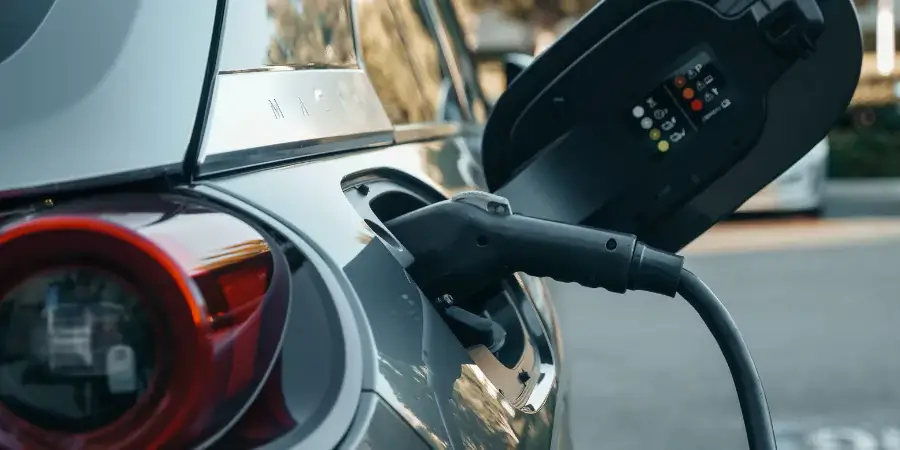
The rapid adoption of electric vehicles has created a parallel infrastructure of residential charging equipment that most homeowners have little experience maintaining. Your Electric Vehicle Supply Equipment (EVSE) the technical term for what most people call an EV chargers represents a substantial investment typically ranging from $500-2,500 for equipment and installation. Unlike simple extension cords, EVSE units contain sophisticated electronics managing power delivery, safety monitoring, and communication with your vehicle’s onboard charging systems, making maintenance requirements more complex than basic cleaning that generic advice often suggests.
Understanding Your EVSE and Installation Requirements
Electric vehicle charging equipment fundamentally differs from most household electrical devices in the sustained high-power delivery it provides. Level 2 residential chargers typically operate at 240 volts delivering 16-80 amperes continuously for several hours per charging session power levels comparable to electric water heaters but with more frequent cycling and sophisticated control electronics. This operational profile creates specific stress points that maintenance practices should address.
EVSE Installation Requirements:
| Component | Specification | Why It Matters |
|---|---|---|
| Wire Gauge | 6 AWG (40A) or 4 AWG (50A) | Prevents voltage drop and overheating |
| Circuit Breaker | 125% of continuous load | 40A EVSE requires 50A breaker per NEC |
| Ground Fault Protection | EV-specific GFCI | Standard GFCI causes nuisance trips |
| Dedicated Circuit | Required by NEC Article 625 | Ensures safe, reliable operation |
Proper installation by licensed electricians meeting National Electrical Code requirements ensures adequate wire sizing, appropriate overcurrent protection, and ground fault protection. Undersized wiring creates voltage drop reducing charging efficiency while potentially overheating connections a problem that worsens gradually through thermal cycling and oxidation, making proper initial installation critical for long-term maintenance-free operation.
Monthly Visual Inspection Checklist
Visual inspection routines form the foundation of preventive EVSE maintenance, with monthly walk-arounds taking just minutes while potentially identifying problems before they cause failures or safety issues.
What to Check Monthly:
- Enclosure condition: No cracks, physical damage, or discoloration suggesting internal overheating
- Weather seals: Gaskets intact on outdoor units, no brittleness or gaps (NEMA 3R/4 ratings only valid if seals maintain integrity)
- Cable condition: No flattening, permanent deformation, or brittle insulation (especially near connector where flexing concentrates stress)
- Connector pins: Clean J1772 plug contacts with no discoloration, pitting, or corrosion indicating arcing
- Vehicle inlet: Clean contact surfaces, no signs of melted plastic or discolored pins
- Mounting security: EVSE firmly attached to wall or pedestal, no loosening of mounting hardware
Signs of overheating like discolored wiring, melted plastic, or carbon deposits around terminals indicate problems requiring immediate professional attention. These symptoms sometimes result from using extension cords or adapters with EVSE a dangerous practice that concentrates high current through connections not rated for continuous load.
Environmental Protection and Seasonal Considerations
Outdoor EVSE installations face environmental challenges requiring enhanced protection and monitoring. Direct sun exposure causes gradual UV degradation of plastic enclosures and cable insulation, with dark-colored materials absorbing heat that accelerates deterioration. While quality EVSE uses UV-stabilized materials designed for outdoor service, providing shade through roof overhangs extends component life and reduces internal operating temperatures that stress electronics.
Temperature extremes affect both EVSE performance and longevity. High ambient temperatures reduce current-carrying capacity of electrical connections, potentially causing properly-installed equipment to heat excessively. EVSE with thermal management features may reduce charging current automatically when internal temperatures approach limits, protecting equipment but extending charging times. Cold temperatures affect LCD displays, make plastic materials brittle, and can cause condensation inside enclosures if temperature cycles allow moisture intrusion past seals.
Moisture management extends beyond keeping rain off equipment. EVSE installed in humid climates should have drain holes remaining clear, allowing any moisture entering the enclosure to escape rather than accumulating. Cable entry points deserve particular attention, as cable flexing during use can gradually work loose sealant meant to maintain weather resistance. Annual inspection should verify these points remain sealed.
Smart EVSE Software and Connectivity Maintenance
Modern connected EVSE requires digital maintenance alongside physical upkeep. Firmware updates address security vulnerabilities, improve charging algorithms, add features, or maintain compatibility as vehicle manufacturers update their charging systems. Manufacturers typically distribute updates through mobile apps or web interfaces, with the update process taking 15-30 minutes during which the EVSE remains unavailable for charging.
Network connectivity problems account for many apparent EVSE malfunctions that simple troubleshooting resolves. Wi-Fi signal strength at installation locations, particularly for garage-mounted units with concrete walls, may prove inadequate for reliable communication. Testing signal strength using smartphone apps before declaring connectivity problems prevents unnecessary service calls, with solutions including Wi-Fi extenders or EVSE models supporting Ethernet connections.
Troubleshooting Common Issues
Many apparent EVSE failures actually reflect problems elsewhere in the charging system. When charging fails, systematic troubleshooting identifies whether issues originate with the EVSE, vehicle, electrical supply, or user error.
Common Problems and Solutions:
| Symptom | Likely Cause | Solution |
|---|---|---|
| Immediate breaker trip | Ground fault or short circuit | Professional electrical diagnosis required |
| Trip after 15-30 minutes | Overheating from marginal connections | Check wire sizing and connection torque |
| Random trips | Deteriorating components | Professional evaluation needed |
| Reduced charging speed | Thermal limiting or vehicle control | Check ventilation, ambient temperature |
| No charging, no lights | Power supply issue | Verify breaker, test outlet voltage |
| Connector won’t lock | Mechanical obstruction | Clean connector, inspect locking pins |
Circuit breaker trips during charging suggest several possible causes requiring different remedies. Immediate trips when starting to charge indicate ground faults or short circuits requiring professional electrical diagnosis. Trips after 15-30 minutes suggest overheating from marginal connections, undersized wiring, or inadequate circuit breaker sizing for continuous loads.
Reduced charging speed compared to previous performance might reflect automatic current limiting by EVSE thermal management systems rather than equipment failure. Many units reduce output current when internal temperatures approach limits, protecting electronics at the cost of slower charging. If this occurs consistently, investigate why the EVSE overheats inadequate ventilation, high ambient temperatures, or component deterioration.
Annual Professional Inspection
While monthly visual checks suffice for most maintenance, annual professional inspection by qualified electricians provides oversight catching problems visual checks miss. Professional maintenance includes:
- Connection tightness verification using calibrated torque drivers (typically 15-30 inch-pounds for terminals)
- Thermographic imaging identifying developing hot spots before visible symptoms appear
- Ground fault and voltage testing confirming electrical supply meets specifications
- Firmware update verification and connectivity testing for smart EVSE
- Documentation for warranty compliance and insurance purposes
Professional electricians check connection points normally hidden behind junction box covers or within the EVSE enclosure. These connections experience thermal cycling as current flow heats conductors during charging, then cooling between sessions. Over time, this cycling can loosen mechanical connections, increasing contact resistance that generates additional heat a positive feedback loop potentially progressing to connection failure if left unaddressed.
Long-Term Reliability and Replacement Decisions
Even well-maintained EVSE eventually reaches end of service life as components degrade beyond economical repair or as evolving vehicle capabilities exceed older equipment specifications. Power electronics including rectifiers, capacitors, and control circuits have finite lifespans accelerated by heat and electrical stress, with failure rates increasing substantially after 7-10 years of regular use.
The evolution of EV charging standards means EVSE purchased even 5-6 years ago may lack features now considered standard higher power output capabilities, bidirectional charging support for vehicle-to-home power backup, or improved smart features. While perfectly functional older EVSE continues charging vehicles safely, owners upgrading to newer EVs with faster charging acceptance may find existing equipment limits their vehicles’ capabilities.
Warranty coverage varies substantially across EVSE manufacturers, ranging from basic one-year warranties on budget equipment to five-year or longer coverage on premium units. Understanding warranty terms including what maintenance manufacturers require, whether professional installation is mandatory for coverage, and what failures warranty actually covers prevents surprises when problems develop. Maintaining documentation of professional service, following manufacturer maintenance schedules, and understanding coverage limitations ensures you receive warranty benefits when equipment fails.
Building Sustainable Maintenance Practices
Developing consistent maintenance routines appropriate to your specific installation creates sustainable practices preventing problems while avoiding excessive attention to equipment requiring minimal intervention. A monthly five-minute visual inspection checking for obvious damage, cable condition, and physical security suffices for most homeowners, with annual professional electrical inspection providing expert oversight.
Record-keeping documenting installation dates, professional service visits, firmware updates, and any issues or repairs creates valuable reference material for troubleshooting future problems and demonstrates proper maintenance for warranty claims. Simple logs noting charging session patterns help identify developing problems by revealing gradual changes that might indicate deteriorating performance.
The investment in proper EVSE maintenance measured in occasional professional inspection costs and time spent on basic visual checks delivers returns through extended equipment life, avoided emergency repairs, and confidence that your charging infrastructure will reliably serve your electric vehicle for years to come.
Related: BMW and Nissan Expand Mexican Operations to Meet Electric Vehicle Demand