
Video-based learning has become the preferred method for many developers mastering system design. While books provide depth and reference value, YouTube channels and structured online courses offer visual explanations, real-time diagramming, and expert walkthroughs that make complex distributed systems concepts more accessible. The key is identifying high-quality resources taught by engineers with proven experience building the systems they teach about.
Why Video Learning Works for System Design
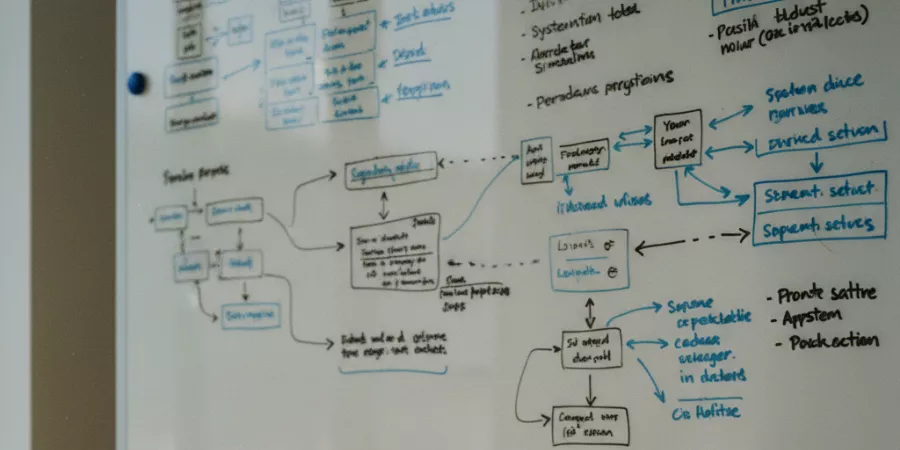
System design is inherently visual. Understanding how components interact, data flows through systems, and requests route across distributed architectures benefits enormously from diagrams and animations that video provides naturally. Watching an experienced engineer sketch a system design in real time demonstrates thought processes that written content cannot easily convey. Combine these online resources with the top books recommended in our system design reading list for comprehensive mastery that balances theoretical depth with practical application.
Video content also allows for passive learning during commutes or downtime that text-based study does not accommodate as easily. Many developers report that watching system design videos during exercise or household tasks maximizes learning efficiency by using time that would not otherwise be dedicated to focused study.
Gaurav Sen: Foundational System Design Concepts
Gaurav Sen’s YouTube channel has become one of the most popular free resources for system design education. His videos cover database sharding, consistent hashing, CAP theorem, load balancing strategies, caching patterns, and design walkthroughs for common interview questions including URL shorteners, WhatsApp, Instagram, and Uber.
What distinguishes Sen’s content is his ability to explain complex concepts using simple analogies and clear visual diagrams. His teaching style assumes no prior distributed systems knowledge, making his channel particularly valuable for developers early in their system design learning journey. The video production quality, including well-designed slides and smooth narration, makes the content engaging rather than dry technical lectures.
System Design Interview by Exponent
Exponent’s System Design Interview channel provides mock interview content featuring real candidates working through design problems with feedback from experienced interviewers. This format gives viewers insight into how actual interviews proceed, common mistakes candidates make, and effective communication strategies for presenting designs clearly.
The channel covers a wide range of companies and difficulty levels, from entry-level system design questions to staff engineer-level architectural discussions. Watching both strong and weak interview performances with detailed feedback helps learners calibrate their own preparation and understand what interviewers value most in candidate responses.
ByteByteGo by Alex Xu
Alex Xu, author of the widely acclaimed System Design Interview book series, created ByteByteGo to provide visual companions to his written content. The channel breaks down complex systems including databases, message queues, CDNs, API gateways, and real-world architectures from companies like Netflix, Uber, and Airbnb.
ByteByteGo’s strength lies in production-quality animations that illustrate how distributed systems work under the hood. The videos are concise, typically five to fifteen minutes, making them ideal for focused learning sessions. The combination of Xu’s book content with these visual explanations creates a comprehensive learning system that addresses different learning preferences.
Hussein Nasser: Deep Technical Dives
Hussein Nasser’s channel targets intermediate to advanced engineers who want deeper technical understanding beyond interview preparation. His content covers database internals, networking protocols, backend performance optimization, and detailed analysis of specific technologies including Postgres, Redis, Kafka, and gRPC.
Nasser’s teaching style involves live coding and terminal demonstrations showing actual implementation rather than just conceptual discussion. This practical approach helps engineers understand not just what distributed systems do but how to actually build and debug them. His videos on connection pooling, database indexing, and network protocols provide operational knowledge that complements theoretical system design study.
Tech Dummies (Narendra L): Simplified Explanations
Tech Dummies specializes in breaking down intimidating system design topics into beginner-friendly explanations. The channel covers microservices architecture, API design patterns, authentication and authorization, distributed tracing, and container orchestration with Kubernetes.
The animated whiteboard style and clear verbal explanations make complex topics approachable for developers transitioning from frontend or mobile development into backend and infrastructure roles. The channel avoids overwhelming viewers with too many details at once, instead building understanding progressively across multiple shorter videos.
Structured Paid Courses Worth the Investment
While YouTube provides excellent free content, structured paid courses offer comprehensive curricula, hands-on projects, and completion certificates that some learners prefer. Educative’s Grokking the System Design Interview remains one of the most popular paid resources, offering interactive lessons, quizzes, and detailed case studies of 15+ real-world systems. The platform’s text-based format with embedded diagrams suits learners who prefer reading with visual aids over video content.
Udemy’s Master the Coding Interview: System Design + Architecture by Andrei Neagoie and Yihua Zhang provides video lectures, coding exercises, and interview preparation specifically targeting FAANG interviews. The course includes lifetime access and updates as system design patterns evolve, making it a one-time investment that continues providing value throughout career progression.
Combining Resources for Maximum Impact
The most effective learning strategy combines free YouTube content for breadth and exposure to different teaching styles with structured courses for depth and systematic coverage. Start with Gaurav Sen for foundational concepts, progress to ByteByteGo for visual system breakdowns, add Hussein Nasser for technical depth on specific technologies, and supplement with mock interviews from Exponent to practice communication skills.
After building foundational knowledge through video content, applying that knowledge to system design interview questions to practice solidifies understanding and reveals gaps that require additional study. The feedback loop of learning concepts, attempting practice problems, identifying weaknesses, and returning to targeted video explanations creates efficient improvement cycles that passive watching alone cannot achieve.
Creating a Structured Video Learning Plan
Treat video learning with the same discipline as reading technical books. Create a playlist of must-watch videos organized by topic, take notes while watching rather than passively consuming content, pause videos to attempt designs yourself before seeing solutions, and revisit complex topics multiple times as understanding deepens.
Aim for two to three focused learning sessions per week, each lasting 45 to 90 minutes. Watching videos in smaller chunks during random free moments provides some value, but dedicated study sessions with note-taking and active engagement produce significantly better retention and skill development.
Staying Current with Evolving Content
System design principles remain stable, but the specific technologies and case studies that exemplify those principles evolve. Subscribe to channels that post regularly and cover emerging technologies like serverless architectures, edge computing, and modern data streaming platforms. Following multiple channels provides exposure to different architectural perspectives and prevents overreliance on any single teacher’s biases or blind spots.
The combination of high-quality YouTube channels, structured online courses, and supplementary reading creates a comprehensive system design education. Video content makes abstract concepts tangible, expert instructors provide insights that only experience delivers, and the visual medium makes distributed systems comprehensible in ways that text alone cannot achieve. Investing time in curating and engaging with the best video resources accelerates system design mastery and improves both interview performance and practical engineering capabilities.