
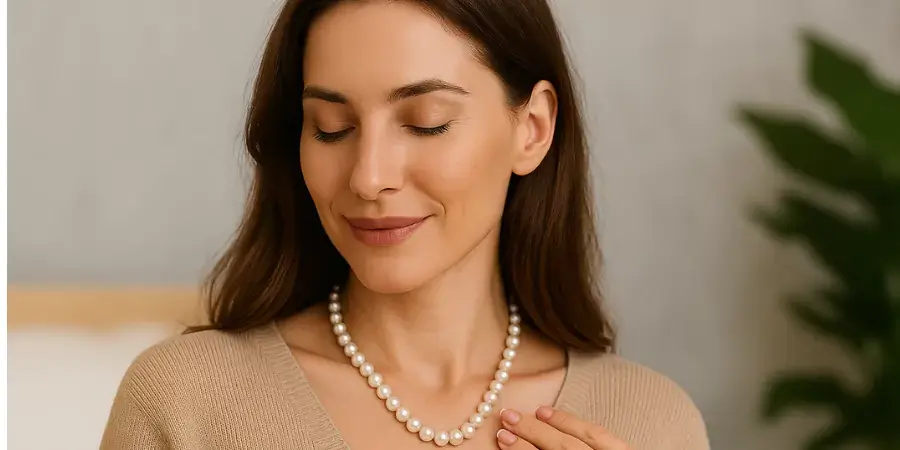
Pearl necklaces have transcended their traditional association with formal occasions and grandmother’s jewelry boxes to become versatile styling elements that work across casual, professional, and evening contexts when worn with modern sensibility. The global pearl jewelry market valued at $14 billion reflects renewed interest in pearls among younger demographics who appreciate their organic origin, sustainable production compared to mined gemstones, and the sophisticated counterpoint they provide to contemporary minimalist aesthetics. Understanding how to style pearls effectively requires knowledge beyond simply “wearing them with everything” pearl type, size, length, and luster interact with garment colors, necklines, and overall aesthetic to create looks ranging from understated elegance to bold statement styling.
Understanding Pearl Characteristics That Influence Styling
Before developing pearl styling strategies, understanding the characteristics distinguishing various pearl types helps make informed decisions about which pieces work best for specific looks and occasions. Pearl jewelry spans enormous quality and price ranges, with these variations affecting both appearance and appropriate styling contexts.
Pearl Type and Styling Considerations:
| Pearl Type | Characteristics | Best Styling Uses |
|---|---|---|
| Akoya | Perfectly round, high luster, 6-9mm | Classic formal wear, business attire, traditional looks |
| Freshwater | Irregular shapes, varied colors, 6-12mm | Casual styling, bohemian aesthetics, layering |
| South Sea | Large 10-20mm, white/golden, luxurious | Statement pieces, evening wear, luxury styling |
| Tahitian | Dark colors (black, gray, peacock), 8-16mm | Modern edge, monochromatic outfits, contemporary fashion |
| Baroque | Irregular organic shapes, unique forms | Artistic styling, textural interest, individual expression |
Pearl luster the quality and intensity of light reflection from the surface dramatically affects perceived quality and appropriate styling contexts. High-luster pearls with mirror-like reflections project formality and luxury suitable for professional or evening wear, while lower-luster pearls with softer glow work better in casual contexts where high-polish jewelry might feel incongruous with relaxed clothing.
Size considerations extend beyond simple preference to include proportion relative to your physical frame and the scale of clothing you typically wear. Petite individuals wearing 14-16mm South Sea pearls risk the jewelry overwhelming their frame, while taller individuals with larger bone structure can carry substantial pearl sizes that would appear costume-like on smaller frames. The relationship between pearl size and neckline depth also matters plunging necklines benefit from longer strands or larger pearls creating visual weight, while high necklines work better with smaller, more delicate pearls avoiding competitive visual clutter.
Neckline Coordination and Length Selection
Pearl necklace length dramatically affects styling versatility and the silhouettes they complement, with standard lengths serving specific aesthetic functions that professional stylists leverage for balanced proportions and focal point creation.
Standard Pearl Necklace Lengths:
- Collar (12-13″): Sits high on neck, works with strapless or off-shoulder necklines, very formal, challenging for casual wear
- Choker (14-16″): Rests at base of neck, complements V-necks and sweetheart necklines, both formal and casual applications
- Princess (17-19″): Most versatile length, falls to collarbone, works with most necklines, appropriate for all occasions
- Matinee (20-24″): Falls to bust line, elongates torso, ideal for layering, professional settings, turtlenecks
- Opera (28-36″): Falls below bust, very elongating, can be doubled for layered look, evening wear or creative casual styling
- Rope (37″+): Maximum versatility for knotting, wrapping multiple times, dramatic statement styling
The princess length’s popularity stems from its universal flattery falling just above the bust on most body types, complementing both high and low necklines, and transitioning seamlessly from professional to casual contexts with wardrobe changes. Building a pearl collection around this length provides maximum cost-per-wear value before adding specialized lengths for specific styling objectives.
Neckline depth and shape create guidelines for optimal pearl length selection. Crew necks and higher necklines benefit from longer strands (matinee or opera) that create vertical lines rather than competing horizontally with the garment’s neckline. V-necks and scoop necks work beautifully with choker or princess lengths that echo the neckline’s shape, creating harmonious repeated curves. Strapless and off-shoulder styles offer maximum flexibility, though collar-length pieces particularly suit these necklines by filling the expansive upper chest area exposed by the garment.
Color Coordination and Undertone Matching
Pearl colors ranging from white and cream through pink, silver, gold, and black interact with skin undertones and garment colors in ways that either enhance or detract from the overall look. Understanding these interactions prevents the common mistake of defaulting to white pearls assuming they’re universally flattering regardless of individual coloring.
Skin undertones cool (pink/blue), warm (yellow/golden), or neutral (balanced) determine which pearl colors harmonize with your natural coloring. Cool undertones pair beautifully with white, silver, or gray pearls including silver-blue akoya or gray Tahitian pearls that echo the pink-blue notes in cool skin. Warm undertones glow when paired with cream, champagne, or golden pearls including golden South Sea varieties that complement yellow-golden skin undertones. Neutral undertones enjoy the flexibility to wear any pearl color based on outfit coordination rather than undertone matching.
Beyond undertone matching, strategic color contrast or harmony with clothing colors creates different aesthetic effects. Monochromatic approaches wearing pearls matching your outfit color create sophisticated, pulled-together looks particularly effective in professional settings. A black turtleneck with dark Tahitian pearls or cream blazer with champagne pearls demonstrates refined color sensitivity that elevates basic garments through cohesive color story. Conversely, contrasting pearls against clothing creates focal points drawing attention white pearls against black clothing, black pearls against white, or colorful baroque pearls against neutral backgrounds.
Layering Strategies and Mixed Metal Styling
The contemporary approach to pearl styling embraces layering multiple lengths, mixing pearl sizes, and combining pearls with other jewelry materials in ways that would have scandalized traditional jewelry etiquette but reflect modern maximalist and eclectic fashion sensibilities.
Effective Layering Combinations:
- Classic Graduated: Start with choker, add princess, finish with matinee each strand slightly longer creates elegant cascade
- Size Variation: Combine small akoya with larger baroque pearls for textural interest and dimensional depth
- Mixed Materials: Layer pearls with gold/silver chains, leather cords, or gemstone beads for contemporary edge
- Asymmetric Styling: Wear single long strand with clasp visible in front for modern, undone aesthetic
- Double-Wrap Opera: Wrap long opera-length strand twice for layered effect without multiple separate pieces
Mixing metals combining pearls with gold, silver, or rose gold elements simultaneously represents modern styling freedom replacing outdated rules about matching all metals. This approach requires some coordination for visual cohesion rather than random combination, such as ensuring all pieces share similar visual weight or maintaining consistent metal finishes (all polished or all matte) even if mixing gold and silver.
Pearl and chain layering creates particularly versatile combinations where delicate gold or silver chains intersperse between pearl strands, adding sparkle and contemporary sensibility to otherwise traditional pearl presentation. The chain contrast emphasizes pearls’ organic luster while preventing the “borrowed from grandma” association that straight pearl strands sometimes carry when worn in traditional single-strand format.
Occasion-Specific Styling Guidelines
Different social and professional contexts create distinct styling opportunities and constraints for pearl jewelry, with successful styling matching pearl presentation to event formality while incorporating personal style rather than rigidly following outdated jewelry protocol.
Professional environments generally embrace pearls as appropriate business jewelry that projects competence and polish without the ostentatious wealth signaling that large diamonds or precious gemstones might convey. Princess-length white or cream akoyas represent the conservative choice for industries with traditional dress codes finance, law, corporate leadership while creative industries tolerate greater experimentation with baroque shapes, unusual colors, or layered styling. The pearl necklace’s position near the face ensures it influences perceived professionalism, making quality important even if modest size better to wear smaller high-luster pearls than large low-quality ones that read as costume jewelry undermining professional credibility.
Casual styling with pearls has expanded dramatically as fashion embraces mixing high-low elements where luxury jewelry pairs with denim, t-shirts, and sneakers. This juxtaposition works by treating pearls as the unexpected element elevating casual basics, though it requires confidence and intentionality to avoid appearing as though you forgot to remove jewelry from a formal event. Baroque or freshwater pearls with organic shapes suit casual contexts better than perfectly matched strands that carry stronger formal associations. Shorter lengths choker or princess integrate more naturally into casual looks than longer opera strands that can overwhelm relaxed silhouettes.
Evening and formal event styling allows for maximum pearl drama through substantial sizes, multiple strands, or the longest opera and rope lengths that create strong vertical lines in formal gowns. The formality of evening wear provides context where traditional pearl jewelry rules originated, making historically formal approaches matched strands, symmetric presentation, classic white feel most at home. However, contemporary formal styling also embraces statement pieces like large South Sea or Tahitian pearls that command attention through size and uniqueness rather than strictly traditional elegance.
Seasonal Styling Adaptations
Pearl jewelry’s versatility extends across seasons, though certain colors and styling approaches align more naturally with seasonal palettes and clothing weights that change throughout the year.
Summer styling benefits from pearls’ cooling visual quality, with white, cream, and pale pink pearls complementing linen, cotton, and lighter fabrics in seasonal pastels and whites. Baroque and freshwater pearls with organic shapes echo summer’s relaxed aesthetic, while simple single strands keep looks uncluttered matching the season’s minimalist clothing approach. The bare skin exposed by summer clothing provides canvas for shorter pearl lengths collar and choker styles that might feel constricted under winter’s layers.
Fall and winter create opportunities for richer pearl colors including champagne, bronze, and dark Tahitian pearls that harmonize with autumn’s warm tones and winter’s deeper palette. Layering becomes more practical as clothing provides base against which multiple pearl strands or mixed material combinations can layer without the weight feeling excessive. Turtlenecks and high-neck sweaters particularly suit longer matinee and opera lengths that drape over the garment creating elegant vertical interest rather than competing with the neckline.
Care Considerations Affecting Styling Choices
Pearl fragility relative to hard gemstones creates practical limitations affecting which pieces suit different activities and how frequently specific pearls should be worn. Understanding these constraints prevents damage while maximizing jewelry versatility through strategic collection building.
Pearls’ organic composition primarily calcium carbonate makes them vulnerable to acids including perfume, hairspray, and even perspiration that gradually erode surface luster. This vulnerability creates the “last on, first off” rule apply cosmetics and fragrances before adding pearls, remove pearls immediately upon returning home before engaging in activities that might expose them to chemicals or abrasion. For active lifestyles or high-wear pieces, lower-cost freshwater pearls provide more practical options than precious South Sea varieties, allowing guilt-free daily wear knowing replacement costs remain manageable if damage occurs.
Storage preventing scratches requires keeping pearls separate from harder gemstones and metals that can abrade their surface. Soft pouches or lined jewelry boxes protect pearls during storage, while occasional wearing proves beneficial as pearls benefit from moisture in air and oils from skin, preventing them from becoming overly dry and developing surface cracks. The paradox of pearl care they need protection yet also benefit from regular wear creates the ideal scenario of wearing them frequently enough for conditioning exposure while protecting them from harsh chemicals and physical damage.
Successfully styling pearl necklaces requires balancing traditional elegance with contemporary sensibility, understanding quality factors that affect appearance and durability, and developing confidence to experiment beyond rigid jewelry rules that no longer reflect how more people actually dress. The most stylish pearl wearers treat these organic gems as versatile styling elements rather than precious heirlooms requiring special occasions, incorporating them regularly into diverse looks that showcase pearls’ enduring appeal across aesthetic contexts.