
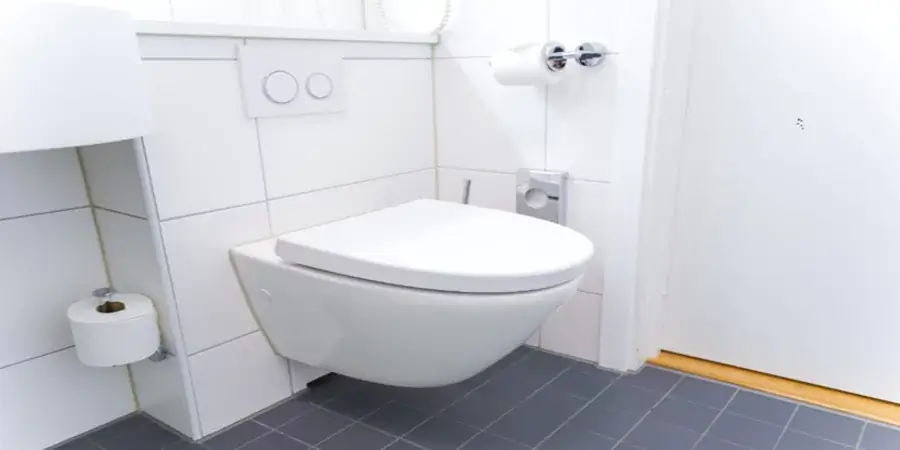
The decision to install a wall-mounted toilet represents more than just selecting a contemporary bathroom fixture it fundamentally alters your bathroom’s plumbing infrastructure, structural requirements, and long-term maintenance approach. These suspended fixtures have gained significant traction in residential construction over the past decade, moving beyond their original commercial and European market origins to become increasingly common in American homes. Understanding the full scope of what toilet installation actually entails for wall-mounted units helps homeowners make informed decisions about whether this investment aligns with their renovation goals, budget constraints, and maintenance expectations.
Structural and Plumbing Prerequisites
Wall-mounted toilet installation begins long before you ever touch the actual fixture, requiring careful evaluation of your bathroom’s existing infrastructure and whether it can accommodate the substantial demands these systems impose. The carrier frame and concealed tank system that supports a wall-mounted toilet must bear not just the fixture’s weight but also the dynamic load created when someone sits down a force that can exceed 400 pounds when accounting for impact and lateral movement. Standard residential stud walls using 2×4 framing rarely provide adequate support without reinforcement, necessitating either upgrading to 2×6 studs or adding blocking and bracing that transforms a simple fixture replacement into a more extensive construction project.
Building codes vary significantly by jurisdiction regarding wall-mounted toilet installations, with some municipalities requiring specific carrier system certifications, particular installation heights, or inspections at multiple stages of the process. The International Plumbing Code (IPC) and Uniform Plumbing Code (UPC) provide baseline standards, but local amendments frequently impose additional requirements. Before purchasing materials or beginning demolition, verify your local code requirements regarding fixture mounting height typically mandated between 15-19 inches from finished floor to bowl rim for accessibility compliance drainage connection methods, and whether your planned installation requires permits and inspections. Skipping this research phase can result in failed inspections requiring costly rework or, worse, discovering after completion that your installation violates codes requiring partial or complete removal.
The concealed tank systems used in wall-mounted installations occupy significantly more wall depth than homeowners typically anticipate. Standard carrier frames require 5-6 inches of depth from the finished wall surface to accommodate the tank, flushing mechanism, and mounting hardware. In bathrooms with exterior walls or walls containing existing plumbing chases, this depth requirement may fit within available space. However, bathrooms with interior walls common in apartments and condominiums may lack adequate depth without creating a bulkhead or false wall that projects into the room. This architectural modification affects bathroom dimensions, potentially requiring adjustments to vanity placement, door swing clearances, or ventilation fan positioning that cascade into broader renovation scope than initially planned.
Installation Process and Technical Considerations
Wall-mounted toilet installation follows a substantially different sequence than traditional floor-mounted fixtures, with most work occurring during the rough-in phase before wall finishes get installed. The process typically begins with wall demolition exposing studs and existing plumbing, allowing assessment of current drain line positioning and water supply routing. Wall-mounted toilets require horizontal drain connections rather than the vertical connections used by floor-mounted fixtures, sometimes necessitating relocating the main waste line if it doesn’t align with the carrier system’s drain outlet. This plumbing reconfiguration adds both cost and complexity, particularly in multi-story homes where drain line modifications affect plumbing in rooms below.
Carrier system installation demands precision and proper technique to ensure long-term structural integrity and trouble-free fixture operation. The carrier frame mounts to wall studs using heavy-duty lag bolts or through-bolts, with most manufacturers specifying minimum 3/8-inch diameter fasteners penetrating studs at least 2 inches. The frame must be perfectly level and plumb deviations as small as 1/8 inch can create visible misalignment once the bowl mounts or cause mechanical binding in the flush mechanism. Professional installers typically use laser levels and multiple measurement checks before permanently securing carriers, recognizing that adjustments after wall closure become exponentially more difficult. The frame’s floor mounting feet provide additional stability, requiring secure attachment to floor joists or a reinforced subfloor capable of bearing point loads.
Water supply and flush mechanism connections deserve particular attention during installation, as these components remain largely inaccessible after wall closure. Most carrier systems use proprietary flush valves and fill mechanisms optimized for concealed tank operation, meaning repairs require manufacturer-specific replacement parts rather than universal components available at typical hardware stores. Installing a secondary shut-off valve at an accessible location such as behind the flush plate or in an adjacent cabinet provides an emergency water control point if the concealed tank develops leaks or malfunctions. This redundancy costs minimal additional money during installation but potentially saves thousands in water damage if problems develop years later.
Wall Finishing and Fixture Mounting
The transition from rough installation to finished fixture involves coordinating multiple trades and sequencing work appropriately to achieve professional results. After carrier installation, plumbing inspections typically occur before wall closure, allowing building officials to verify proper installation techniques and code compliance while everything remains visible and accessible. Following inspection approval, installers add moisture-resistant backing material commonly cement board or high-density gypsum around the carrier area to provide a stable mounting surface for tile or other wall finishes. Standard drywall lacks adequate strength and moisture resistance for the area immediately surrounding toilet fixtures, making proper backing installation essential for long-term durability.
Wall finishing requires precise coordination with the carrier system’s mounting hardware locations. The threaded rods that ultimately secure the toilet bowl project through the finished wall at specific locations, requiring installers to maintain exact positioning through multiple material layers. When tiling around wall-mounted toilets, experienced installers create cardboard templates matching the carrier’s mounting pattern, allowing them to cut tile accurately and maintain proper fastener locations. Attempting to locate mounting bolts after tile installation courts disaster, as discovering misaligned holes forces either chipping away finished tile or relocating fixtures both problematic and expensive solutions to preventable problems.
The actual toilet bowl mounting represents the final installation phase, though “simple” fixture attachment belies the importance of proper technique. Most wall-mounted bowls use long threaded rods penetrating through the fixture and securing with nuts tightened from inside the bowl, creating the mechanical connection to the carrier frame. Achieving proper tightness balances between inadequate clamping that allows movement and over-tightening that cracks the vitreous china bowl. Installers typically tighten mounting nuts gradually in multiple passes, alternating between fasteners to maintain even pressure and prevent binding. The bowl-to-drain gasket creates the critical seal preventing sewer gas infiltration and wastewater leakage, requiring careful alignment during mounting to achieve proper compression without distortion.
Advantages That Drive Adoption
Wall-mounted toilets deliver several genuine benefits that justify their higher installation costs and complexity for homeowners prioritizing specific outcomes. The elevated bowl position transforms bathroom cleaning routines by eliminating the floor-contact area where traditional toilets collect dust, hair, and moisture that breeds mildew. This cleaning advantage proves particularly valuable in household bathrooms seeing heavy use, where the time savings from simplified maintenance compound over years of daily or weekly cleaning sessions. The unobstructed floor space also facilitates installation of radiant heating systems, a popular upgrade in bathroom renovations that becomes complicated when traditional toilets obstruct heat distribution.
The aesthetic impact of wall-mounted fixtures extends beyond simple visual preference to fundamentally altering how bathrooms feel spatially. Removing the visible tank and reducing the fixture’s visual mass makes small bathrooms feel more spacious and less cluttered, an effect that becomes pronounced in powder rooms or compact apartment bathrooms where every square foot matters perceptually. This design approach aligns with contemporary minimalism and European-inspired bathroom aesthetics that emphasize clean lines and reduced visual complexity. For homeowners pursuing high-end renovations or preparing properties for sale in competitive markets, the modern appearance of wall-mounted fixtures can differentiate their bathrooms from typical installations.
Adjustable mounting height uncommon with traditional floor-mounted toilets provides meaningful accessibility benefits for households including members with mobility limitations or height differences. The Americans with Disabilities Act (ADA) specifies particular height ranges for accessible toilet fixtures, but individual needs vary substantially based on specific conditions and personal preferences. Wall-mounted installations allow customizing bowl height during installation to match user requirements precisely, accommodating everything from children’s bathrooms to aging-in-place modifications for seniors experiencing hip or knee problems that make lower toilet heights uncomfortable or difficult to use safely.
Limitations and Long-Term Considerations
The higher cost of wall-mounted toilet installations stems from multiple factors beyond simple fixture pricing. Carrier systems alone typically cost $300-600 depending on manufacturer and features, compared to zero additional infrastructure required for traditional toilets. Professional installation for wall-mounted units generally ranges from $800-1,500 for straightforward installations, with costs escalating substantially if structural reinforcement, plumbing relocation, or extensive wall reconstruction becomes necessary. Total project costs frequently reach $1,500-3,000 by the time you account for the fixture itself, carrier system, installation labor, wall finishing, and related materials roughly three to four times the cost of replacing a traditional toilet with comparable fixture quality.
Maintenance and repair accessibility represents the most significant long-term concern with wall-mounted installations. While properly installed systems deliver reliable operation for many years, eventual component failures require accessing concealed tanks through the flush plate opening or, in worst cases, removing sections of finished wall to reach failed parts. Flush mechanisms, fill valves, and tank-to-bowl gaskets components that fail eventually in any toilet system become substantially more difficult and expensive to service when concealed within walls. Homeowners should factor increased repair costs and complexity into long-term ownership calculations, recognizing that what might be a $50 DIY repair on a traditional toilet could become a $300-500 service call for wall-mounted fixtures.
Weight capacity and structural limitations prevent wall-mounted toilet installation in certain situations regardless of homeowner preference. Bathrooms with steel stud walls, common in commercial construction and some modern residential buildings, require specialized carrier systems designed for metal framing and may need additional reinforcement beyond standard installation. Older homes with plaster walls over wood lath, brick veneer interior walls, or unusual framing methods sometimes lack adequate structure to support wall-mounted fixtures safely without extensive and costly modifications. Pre-purchase structural assessment by a qualified contractor prevents discovering these limitations after purchasing expensive fixtures and materials.
Making an Informed Installation Decision
Wall-mounted toilet installation makes most sense within comprehensive bathroom renovations where you’re already opening walls, relocating plumbing, and pursuing contemporary design aesthetics. The incremental cost and complexity become less significant when viewed as part of a larger project rather than as an isolated upgrade. Homeowners planning gut renovations anyway can incorporate wall-mounted fixtures efficiently during the construction phase when studs are exposed and coordination with other trades happens naturally. This timing allows addressing structural reinforcement, plumbing modifications, and wall finishing as integrated steps rather than separate disruptions requiring multiple contractor visits and repeated damage to finished surfaces.
Simple fixture replacement scenarios where you’re swapping a failed traditional toilet rarely justify the expense and disruption of converting to wall-mounted installation. The wall demolition, structural modifications, and extensive finishing work required transform a same-day fixture replacement into a multi-day construction project affecting bathroom availability and creating dust and debris throughout your home. Unless you’re deeply committed to the aesthetic change and prepared for the associated costs and disruption, traditional toilet replacement delivers reliable function and modern styling with dramatically reduced investment and inconvenience.
For those moving forward with wall-mounted installation, selecting quality components from established manufacturers provides long-term value despite higher upfront costs. Geberit, Toto, Kohler, and Duravit represent industry leaders offering proven carrier systems, readily available replacement parts, and comprehensive installation support. Lesser-known brands may offer initial savings but sometimes present challenges sourcing replacement components years later when repairs become necessary. The evolution of digital innovations in bathroom fixtures continues advancing efficiency and user experience, making informed brand selection increasingly important for long-term satisfaction and maintenance simplicity.
ALSO READ: Where to Get Quality Bathroom Renovations That Last