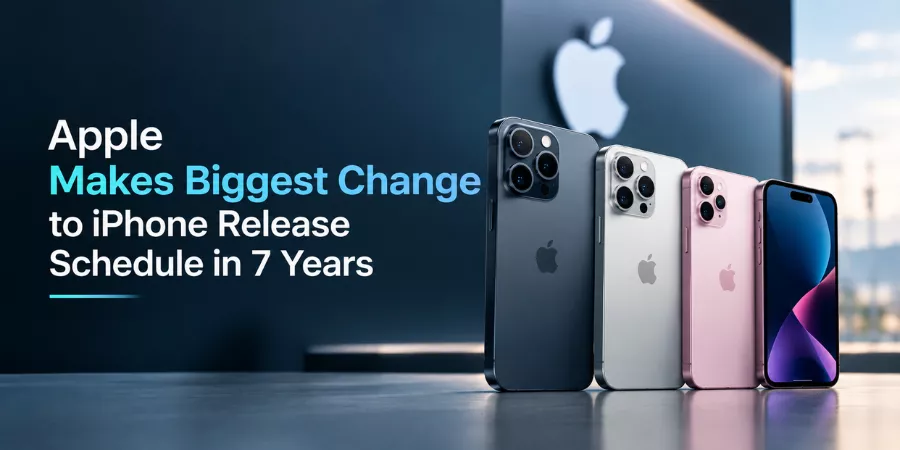
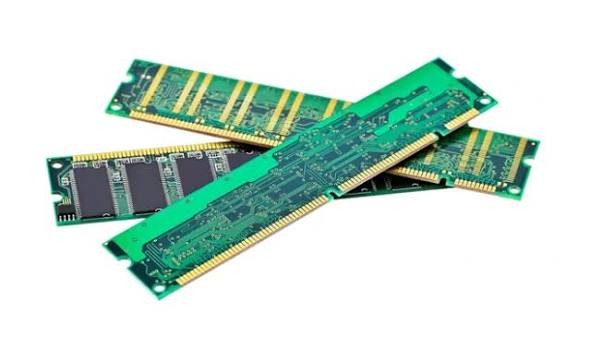
The Apple memory chip shortage is not an Apple problem. It is an industry problem, and Apple happens to be one of the most visible companies caught in the middle of it.
AI data centers are consuming the majority of the world’s memory chip production. That leaves less supply for consumer devices, including every Mac Apple makes. Prices have surged. Stock has tightened. And Apple, despite being one of the most powerful buyers in the semiconductor industry, cannot fully escape it.
TL; DR:
The global memory chip shortage is a severe market crisis driven by AI infrastructure demand, manufacturing shifts to High-Bandwidth Memory (HBM), and soaring RAM prices.
What is Causing the Apple Memory Chip Shortage?
The root cause is a structural shift in how memory chips are being allocated globally.
Samsung, SK Hynix, and Micron have collectively shifted 93% of their combined production toward high-bandwidth memory for AI data centers, leaving only a fraction of output for general-purpose RAM used in consumer devices.
“Data centers will absorb about 70% of all memory produced worldwide in 2026, up from 20% to 30% as recently as 2022,” according to IDC research cited by TechNewsWorld. That is a near-complete reversal of how the memory market worked just four years ago.
“A wafer committed to an HBM stack for an AI data center is one that never becomes memory for a mid-range handset,” said Francisco Jeronimo of IDC. “It is close to a zero-sum game.”
Apple Silicon, the chip architecture inside every modern Mac, requires premium LPDDR5X memory. That memory comes from the same pool of production capacity that AI companies are now outbidding consumer electronics manufacturers to secure. Apple is competing against Microsoft, Google, Meta, and Amazon for the same underlying supply. It is losing that competition on volume, even if not on price.
How Bad Have Prices Got?
DRAM prices surged 90% in Q1 2026 compared to Q4 2025, catching even seasoned analysts off guard. In some cases, prices are now more than 10 times their January 2025 levels, according to Bloomberg.
IDC projects 2026 DRAM supply growth at just 16% year-over-year, well below what the market needs.
AI will consume 20% of total DRAM production in 2026, and this figure could increase further as AI buildout scales, according to Wccftech analysis of chip industry data.
These are not gradual, cyclical price moves. This is a structural reallocation happening faster than new manufacturing capacity can respond to it.
How Has Apple Responded?
Apple has tried to manage the shortage on multiple fronts, none of them quick fixes.
- Price increases: Apple has been forced to raise prices on Macs by roughly 15-20% and iPads by 15-25% as of June 2026 to absorb rising memory costs. The MacBook Air alone rose from $999 to $1,299 across two price increases in 2026.
- Alternative suppliers: Apple is exploring memory sourcing from Chinese manufacturers for devices sold in China, intending to free up supply from Samsung and Micron for other markets. That move has drawn political scrutiny from US senators concerned about national security implications.
- Marketing shifts: Apple has begun steering buyers toward the 14-inch MacBook Pro and quietly updated materials to warn the MacBook Air is “subject to availability,” language almost never seen for its highest-volume consumer laptop.
Tim Cook called the situation a “hundred-year flood” for the supply chain, unlike anything seen in more than 40 years.
When Will the Apple Memory Chip Shortage End?
The honest forecast is not encouraging.
A return to normal pricing before 2027 is not expected. Most analysts describe the current shortage as a structural shift, not a temporary demand spike.
SK Hynix has warned the shortage may last past 2030. Bloomberg Intelligence offers a more optimistic view, projecting potential easing by 2028 as new manufacturing capacity comes online.
IDC notes the shortage reflects a deliberate, long-term reallocation of global semiconductor capacity toward AI infrastructure, not a logistics disruption that corrects itself.
New DRAM fabs take three to four years to build and bring online. The capacity being redirected to AI today will not return to consumer electronics overnight. Apple, like every other hardware company, is managing a shortage it did not create and cannot unilaterally resolve.
What Does This Mean for Apple Buyers Right Now?
- MacBook Air availability is constrained, with shipping delays into August and September 2026.
- Higher-memory Mac configurations face the longest wait times.
- Further price increases remain possible if DRAM costs continue rising.
- The Mac mini and Mac Studio were affected first, the MacBook Air shortage signals the problem has moved further into mainstream consumer products.
- No near-term resolution is expected before at least mid-2027.
The Apple memory chip shortage is, at its core, a consequence of the AI infrastructure boom reshaping the entire semiconductor industry. Until memory production capacity catches up with demand, or AI companies find ways to do more with less memory, consumer electronics companies will keep competing for an increasingly constrained pool of chips. Apple is big enough to manage that pressure better than most. Right now, it is not managing it well enough to keep its shelves stocked.