Two courtside seats at Madison Square Garden for Game 3 of the 2026 NBA Finals sold at a charity auction for $1 million. The cheapest upper-deck seat on the secondary market was over $6,000. The building was still sold out.
The interesting part is why some of the most famous people in the world, people who could be anywhere, chose to spend their evenings at a basketball game in Midtown Manhattan. And why, increasingly, that choice makes more sense than anything else on their calendar.
Why are Celebrities Suddenly Showing Up at Madison Square Garden?
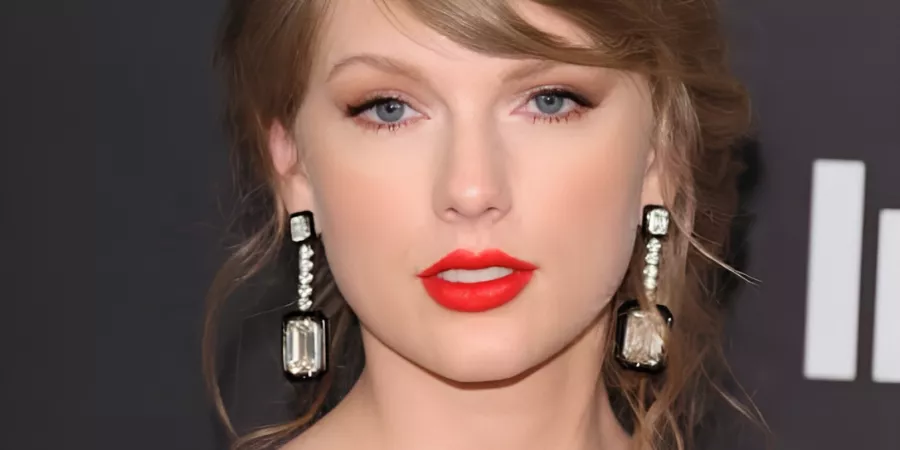
Yes, the Knicks are making their first NBA Finals appearance in 27 years, and the team’s fandom is both broad and deep. The winning matters. But winning alone does not explain why Taylor Swift, Timothée Chalamet, Adam Sandler, and Kylie Jenner are all choosing the same courtside seats over every other option available to them during a playoff run.
The real explanation is that everything else, the red carpets, the awards shows, the staged media appearances that defined celebrity culture for decades, has stopped working the way it used to. And Madison square garden, almost accidentally, has become one of the last places where famous people can be seen doing something genuinely human.
Getty photographer Sarah Stier, who covers every Knicks game, said: “When I see these people… I’m struck by how I see celebrities acting just like any other diehard Knicks fans.”
The Death of the Red Carpet
Awards shows used to be the most powerful visibility platforms in Hollywood. They drew tens of millions of viewers, generated days of press coverage, and served as the primary stage where celebrities shaped public perception.
That era is over, and the numbers make it hard to argue otherwise.
The 2026 Oscars drew 17.9 million viewers, a 9% drop from 2025, and the first significant decline since 2021. The total Oscars audience is now 43% below where it stood in 2016, when 34.4 million people watched. The Emmys hit a record low of 4.3 million viewers in January 2024. The median age of viewers across the four major awards telecasts is now over 50, more than a decade older than in 2000.
The audience that once made those events culturally mandatory has largely left. What replaced them? Social media, short-form video, and the kind of content that gets shared not because it is polished but because it feels unplanned.
A celebrity walking a red carpet in a tailored suit is scheduled content. Everyone knows the machine that produced it, the stylist, the publicist, the approved poses, the coordinated press access. Audiences under 40 have grown up watching that machine operate, and they are not particularly moved by it anymore.
A celebrity jumping out of their courtside seat when a shot drops with two minutes left, that is a moment. Nobody approved it. Nobody planned it. It just happened, and it happened to be caught by six cameras at once.
That distinction is everything right now. Authenticity does not mean much when it is manufactured. But when it is genuinely unscripted, it travels fast and sticks.
Timothée Chalamet’s courtside presence during the 2025-26 Knicks season arguably generated as much screen time as his film releases. He was not doing press. He was watching basketball and reacting like a fan. The image, a young, passionate New Yorker who genuinely cares about his team, spread across every platform without a single scheduled appearance. No red carpet achieves that anymore.
This is what madison square garden has that traditional entertainment media has lost the ability to produce: a room full of famous people who are actually present, visibly emotional, and completely unguarded in front of a global broadcast audience.
Why Madison Square Garden Works When Other Arenas Do Not
The celebrity culture at MSG is not just about basketball. Other arenas host good basketball. They do not produce the same effect.
3 things make MSG different.
- New York City itself: As one observer put it bluntly: “Too many superstars in New York City.” The density of working celebrities in Manhattan means the invitation list practically fills itself. No other NBA city concentrates that many famous residents within a short drive of the arena.
- The building’s history: MSG has hosted Muhammad Ali fights, Beatles concerts, political conventions, and now a first NBA Finals in 27 years. That accumulated weight is real. Sitting courtside there means something different than sitting courtside elsewhere, and celebrities understand that. Newer arenas, regardless of how well-designed they are, cannot replicate it.
- Broadcast positioning: MSG’s courtside layout puts celebrity faces directly in frame during wide shots, timeout cuts, and critical fourth-quarter moments. The broadcast naturally finds those seats. The camera work at other arenas does not produce the same volume of celebrity reaction footage, which means the social media afterlife of attending is shorter and quieter.
Put those three together, the city, the history, the cameras, and you have a venue that functions as a cultural stage in a way no other sports arena in America currently does.
Why Celebrities at Knicks Games are More Valuable Than a Press Appearance
The math has changed in a way that makes courtside seats at an NBA playoff game genuinely competitive with traditional media appearances, and in some cases better.
A red carpet photo generates coverage for a news cycle, then disappears. A courtside reaction clip gets embedded in highlight reels, shared across platforms, referenced in sports podcasts, and surfaced again every time someone compiles the best moments of the series. The celebrity becomes part of the game’s story without doing a single interview.
Ben Stiller said in 2025 that if he had to choose between winning an Oscar and the Knicks winning a championship, he would pick the championship. He said that on a podcast, casually, as a genuine expression of what he actually cares about. It got picked up everywhere. No press junket would have produced a moment that felt that unguarded.
That is the specific quality Madison square garden courtside keeps generating, famous people saying and doing things that feel real because they are real. The arena does not require them to perform. It just requires them to show up and care about the game.
As long as awards shows keep aging out of younger audiences, and as long as social media keeps rewarding authentic moments over produced ones, that quality becomes more valuable, not less.
What Happens When the Knicks Stop Winning?
Honestly, some of the intensity drops. Madison Square Garden has not hosted a Finals game since 1999. The celebrities who showed up specifically for a historic moment will not all return for a January game against a rebuilding team. That is just honest.
But the underlying conditions that made MSG the most important celebrity stage in America do not depend on the Knicks being in the Finals. They depend on awards shows continuing to lose relevance, on social media continuing to reward genuine moments over staged ones, and on New York City continuing to concentrate the most famous people in the country within a few miles of the same arena.
All three of those things will still be true next season.
Spike Lee has held courtside seats since the 1980s. The Finals gave his loyalty a bigger stage. The stage itself was always there.
FAQs
Why has Madison Square Garden become so popular with celebrities? MSG offers something traditional entertainment events are increasingly failing to provide, visible, authentic moments in front of a global broadcast audience. Combined with New York City’s concentration of famous residents, the arena’s historic prestige, and courtside camera positioning that appears on NBA broadcasts worldwide, it has become the most culturally loaded venue in American sports.
Why are celebrities going to NBA games instead of awards shows? Courtside reactions are unscripted, travel well on social media, and generate longer-lasting coverage than staged press appearances. Meanwhile, awards show audiences keep shrinking, the 2026 Oscars dropped 9% in viewership and are now 43% below their 2016 numbers. The platforms that once made red carpets powerful are losing the audiences that gave them that power.
How do celebrities get courtside seats at MSG? Some purchased them outright, playoff courtside seats exceeded $75,000 each during the 2026 Finals. A smaller group receives direct personal invitations from Madison Square Garden. Those invited must stay for the full game, be available for broadcast, and be genuine Knicks supporters.
Who are the regular celebrities at Knicks games? The most consistent names on celebrity row at MSG are Spike Lee, Tracy Morgan, Ben Stiller, and Timothée Chalamet. During the 2026 NBA Finals, Taylor Swift, Adam Sandler, Kylie Jenner, Chris Rock, and Michael J. Fox were also courtside.
Does MSG’s pull depend on the Knicks winning? Partly. Deep playoff runs bring celebrities who would not attend regular season games. But MSG’s celebrity culture predates this run and will outlast it. The structural reasons famous people prefer it over traditional press appearances, authenticity, reach, New York City’s density of talent, exist regardless of the team’s record.