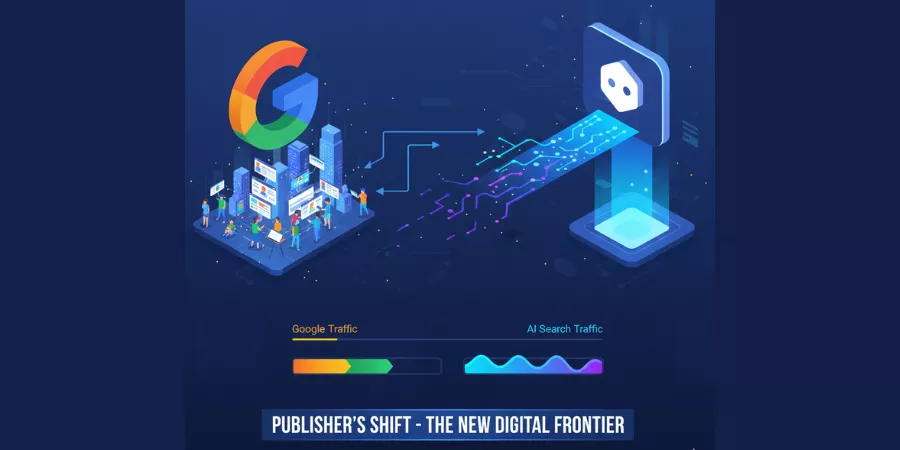
The search engine landscape is experiencing its most significant disruption in two decades. OpenAI’s ChatGPT search feature is now diverting approximately 8% of informational queries away from Google, according to recent data from SEMrush. For digital publishers who depend on organic search traffic, this shift demands immediate strategic adaptation.
This isn’t just about losing a small percentage of traffic. It represents a fundamental change in how users discover and consume online content, with serious implications for advertising revenue and audience growth strategies.
Understanding the ChatGPT Search Phenomenon
ChatGPT’s search capability launched in late 2024 and has grown rapidly among professionals, students, and tech-savvy internet users. Unlike traditional search engines that display lists of blue links, ChatGPT provides conversational answers with source citations embedded directly in the response.
Users ask questions in natural language and receive comprehensive answers immediately, often without needing to click through to source websites. This convenience is driving adoption, particularly among users seeking quick factual information, how-to guidance, and research assistance.
The feature integrates real-time web data with ChatGPT’s language capabilities, creating a search experience that feels more like consulting a knowledgeable assistant than sifting through search results.
Traffic Impact on Digital Publishers
The data reveals concerning trends for publishers dependent on informational search traffic:
8% Overall Traffic Diversion: SEMrush’s analysis shows ChatGPT capturing 8% of queries that would traditionally go to Google, with the percentage higher in specific niches like technology, finance, and education.
Informational Queries Hit Hardest: How-to content, definition searches, and general knowledge queries experience the steepest declines as users get direct answers from ChatGPT.
Ad Revenue Implications: When users don’t click through to websites, publishers lose page views, ad impressions, and potential subscriber conversions that fund their operations.
Mumbai-based digital publisher Raj Kumar reports: “We’ve noticed a 12% decline in informational query traffic since December. Users who previously clicked our articles for how-to content are now getting quick answers from ChatGPT instead.”
The impact varies significantly by content type:
| Content Type | Estimated Traffic Impact | Risk Level |
|---|---|---|
| How-to guides and tutorials | 15-20% decline | High |
| Definition and explanation articles | 18-25% decline | Very High |
| News and current events | 2-5% decline | Low |
| Product reviews and comparisons | 3-7% decline | Moderate |
| In-depth analysis and opinion | Minimal impact | Low |
Interestingly, transactional searches (users ready to purchase) and navigational searches (users seeking specific websites) remain largely unaffected. Users still visit websites when they’re ready to buy products, access services, or engage deeply with content beyond quick answers.
How ChatGPT Selects Source Content
Understanding ChatGPT’s content selection process is critical for publishers adapting to this new reality. Analysis by SEO experts reveals several key factors:
Top-Ranking Content Gets Priority
ChatGPT’s search function pulls information primarily from websites already ranking in Google’s top three positions. The AI system uses these high-authority sources as its primary reference material.
This creates a compounding effect where strong SEO performance feeds into AI visibility. Publishers who maintain top Google rankings are most likely to be cited by ChatGPT, preserving at least some visibility even if direct traffic declines.
Featured Snippet-Style Content
Content formatted as clear, direct answers performs best. Articles with concise introductory paragraphs that directly address user questions are more likely to be extracted and cited.
Think of optimizing for ChatGPT similar to optimizing for Google’s featured snippets. The goal is providing immediate value in the opening section while encouraging deeper engagement for users who want more information.
Recent Publication Dates
ChatGPT favors recently published or updated content, giving publishers who maintain fresh content calendars a competitive advantage. Regularly updating existing articles signals relevance to AI systems.
Clear Structural Organization
Articles with logical heading hierarchies, bullet points for key information, and well-organized sections are easier for AI to parse and reference. Clean, semantic HTML structure improves content extractability.
Optimization Strategies for AI-Powered Search
Digital publishers must evolve their SEO strategies to remain visible in the age of AI search. These tactics have proven effective:
Front-Load Critical Information
Place your most important insights, answers, and value propositions in the first 100-150 words of every article. ChatGPT often extracts information from opening paragraphs when generating responses.
Structure your introduction to:
- Directly answer the question or topic in the headline
- Include your primary keyword naturally
- Provide 1-2 key statistics or facts
- Offer a unique insight not available elsewhere
Create Comprehensive Resource Pages
Develop in-depth guides that answer multiple related questions in a single location. AI search engines favor comprehensive resources over thin content targeting single keywords.
Instead of publishing 10 separate 500-word articles on related topics, consider creating one authoritative 3,000-word guide that addresses all aspects of a subject. This approach improves both AI visibility and traditional SEO performance.
Optimize for Conversational Keywords
Research how your target audience naturally phrases questions. Tools like AnswerThePublic and Google’s “People Also Ask” feature reveal conversational search patterns.
Traditional keyword: “email marketing best practices”
Conversational equivalent: “how to improve email open rates”
Incorporate natural question phrases into your headlines and subheadings to align with how users query AI systems.
Include Original Data and Statistics
ChatGPT gives preference to content featuring unique data points, original research, and proprietary statistics. When AI systems cite sources, they often highlight specific numbers and research findings.
Conduct surveys, analyze industry trends, or compile original datasets that position your publication as a primary source rather than a secondary commentator.
Build Domain Authority Through Backlinks
Strong backlink profiles remain crucial signals for both traditional search engines and AI systems. High domain authority indicates trustworthy, citable sources.
Focus on:
- Guest posting on authoritative industry publications
- Creating linkable assets like original research and data visualizations
- Building relationships with journalists and influencers in your niche
- Earning mentions from academic and government sources
Content Types That Resist AI Disruption
While informational content faces challenges from ChatGPT, certain content types remain resilient:
Deep Analysis and Opinion
AI systems can summarize facts but cannot replicate thoughtful analysis, expert opinion, and nuanced perspectives from experienced professionals. Commentary, editorials, and analytical pieces maintain their value.
Multimedia and Interactive Content
Video content, podcasts, infographics, and interactive tools cannot be easily replicated by text-based AI systems. Publishers investing in diverse content formats diversify their traffic sources.
Community and Discussion
Forums, comment sections, and community-driven content create engagement that AI cannot replace. Building audience participation around your content increases direct traffic independent of search engines.
Breaking News and Time-Sensitive Information
While AI systems access real-time data, breaking news coverage benefits from the credibility and brand recognition of established news sources. Users seeking current information often prefer known, trusted publishers.
Revenue Diversification Strategies
Smart publishers are reducing dependency on search traffic alone by building multiple audience channels:
Email Newsletter Development
Build direct relationships with your audience through email newsletters. Subscribers provide a traffic source completely independent of search engines or AI tools.
Focus on:
- Offering exclusive content only available to subscribers
- Creating weekly or daily newsletters with curated insights
- Segmenting your audience for personalized content delivery
Social Media Presence
Develop strong social media channels where your audience discovers content through shares, follows, and recommendations rather than search queries.
Platform priorities for Indian publishers:
- LinkedIn for B2B and professional content
- Instagram for visual storytelling and younger audiences
- Twitter for real-time news and commentary
- WhatsApp for community building and content distribution
Subscription and Membership Models
Convert loyal readers into paying subscribers by offering premium content, research reports, or exclusive analysis. Subscription revenue reduces dependency on advertising and search traffic.
Brand Authority Building
Invest in establishing your publication’s brand as an industry authority. When users think of your site directly for information in your niche, they bypass search engines entirely through direct traffic.
Technical SEO Considerations
Maintain strong technical SEO fundamentals to ensure both traditional search engines and AI systems can easily access your content:
XML Sitemap Optimization: Keep your sitemap updated and submitted to Google Search Console for prompt indexing of new content.
Page Speed Performance: Fast-loading pages improve user experience and make it easier for AI systems to crawl your content efficiently.
Mobile Responsiveness: With mobile-first indexing standard, ensure your content displays properly on all device types.
Structured Data Markup: Implement schema markup for articles, authors, and organizations to help AI systems understand your content context.
The Indian Publisher Perspective
For content creators in India’s rapidly growing digital economy, adapting to AI search is particularly crucial. The country’s 700+ million internet users are increasingly comfortable with AI tools, and platforms like ChatGPT are gaining traction among English-speaking professionals and students.
Indian publishers have unique advantages in this transition:
Regional Content Opportunities: Creating content in Hindi and regional languages provides protection from English-focused AI disruption while serving underserved audiences.
Local Expertise: Covering India-specific topics, regulations, and market dynamics creates content that AI systems must reference from local sources.
Mobile-First Audience: India’s predominantly mobile internet users favor quick, accessible content formats that work well even in AI-disrupted search environments.
Looking Forward: Preparing for AI Search Dominance
The competition between ChatGPT and Google benefits users by providing diverse information access methods. For publishers, success in 2025 and beyond requires creating content that serves both traditional search engines and AI-powered assistants.
The goal is positioning your articles to rank number one on Google while structuring them for easy AI extraction. Most importantly, provide unique value that goes beyond what a chatbot can summarize.
Build content that:
- Answers questions comprehensively
- Offers unique insights from genuine expertise
- Provides information unavailable elsewhere
- Creates engagement beyond quick answers
Publishers who successfully navigate this transition will emerge stronger, with diversified traffic sources and audiences that value their unique perspective regardless of how search technology evolves.